

What are the different types of T-shirt fits?
While the basic concept of t-shirt hasn't changed since the 1950s, there's still quite a variety when it comes to fits. They're subtle to the untrained eye, but understanding them (how they work with your body style and style) can really make a difference. Let's explore the types of t-shirt fits available today and how to style each one effectively.
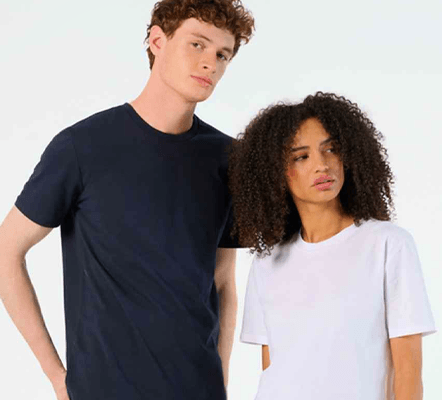
standard fit
The standard (or regular) crew neck t-shirt is the classic middle-ground option. It's neither too tight nor too loose and follows the natural lines of the body without clinging or billowing. The sleeves typically end mid-bicep and offer comfortable room without excessive fabric.
Styling options: Standard fit tees are incredibly versatile. They work well tucked into jeans or trousers for a neater appearance or untucked when you're going casual. They layer easily under shirts, jackets, and knitwear without adding bulk.
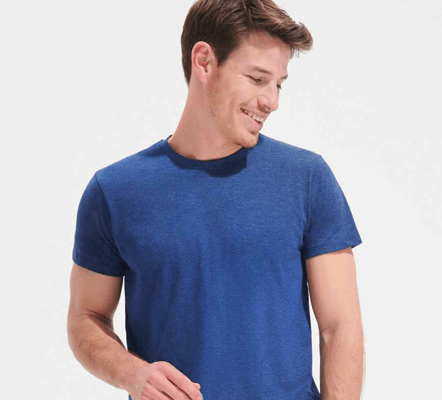
slim fit
Slim-fit t-shirts offer a more tailored silhouette that sits closer to the body but are not skin-tight. They typically also feature narrower sleeves, chest and waist, and they might even have a slightly shorter hemline than you'd get with standard fits.
Styling options: These tees look particularly good when worn alone or under a well-fitted blazer or leather jacket. The cleaner silhouette also makes them ideal for smarter looks when paired with chinos or dark jeans.
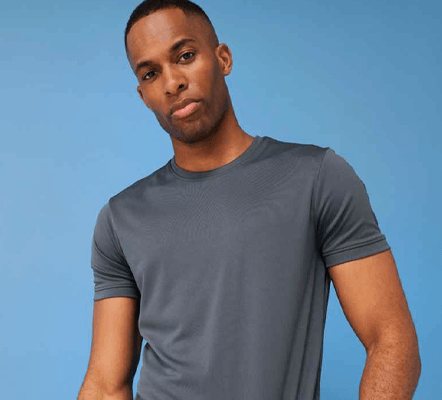
muscle fit
This one takes the slim fit concept further and is designed to closely follow the contours of a muscular physique. They're characterised by tight sleeves that hug the biceps and a form-fitting body that emphasises the chest and shoulders. If this is the look you're going for, try to find this specific fit rather than just opting for a slim fit, as it's proportioned slightly differently.
Styling options: These tees are usually worn as statement pieces rather than hidden under layers—why not show off all those hours at the gym? They pair well with straight-leg jeans or joggers, creating a balanced silhouette when the upper body appears broader than the lower half.
When to wear a standard, slim-fit and muscle t-shirt
A standard crew neck t-shirt is a flattering fit that suits most body types and serves as the perfect foundation piece. It's particularly good for people of average builds who don't want a restrictive fit, but don't want it to be too relaxed either. On the other hand, people with slim, athletic builds benefit most from a slim-fit tee. The toned physique comes through, but there's still a bit of movement, which is flattering. You can highlight your torso with this style if you've broader shoulders and a narrower waist. For a muscle fit, as the name suggests, this fit complements a well-developed, muscular physique. It's a casual option, but certain semi-formal events will also be suitable, especially if it's a glamorous do.
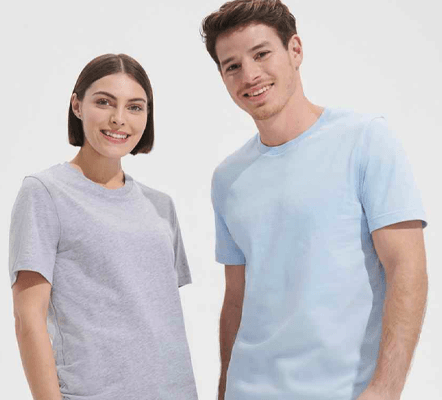
relaxed fit
Moving toward the looser end of the spectrum, relaxed fit t-shirts offer more room throughout the body and sleeves but don't stray into "oversized" territory. They drape away from the body slightly, providing comfort and ease of movement, and are a little looser than a standard tee.
When to wear: This forgiving fit suits many body types. It's particularly flattering for those with broader middles as it skims over the stomach area without clinging. It also works well for tall, slim individuals who prefer less restrictive clothing.
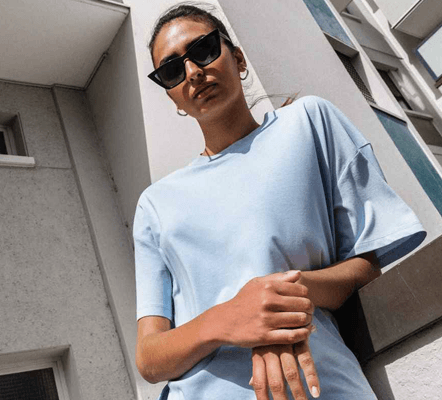
oversized fit
The oversized fit is the roomiest t-shirt option. It features extended shoulders, wide sleeves, and a loose body that hangs well away from the torso. The hem typically falls lower than other fits, sometimes reaching mid-thigh. It has a certain street vibe to it and is casual but cool.
When to wear: Oversized fits work surprisingly well for those with smaller frames, creating interesting proportions, especially when paired with fitted bottoms. They also offer comfortable, non-restrictive coverage for larger body types.
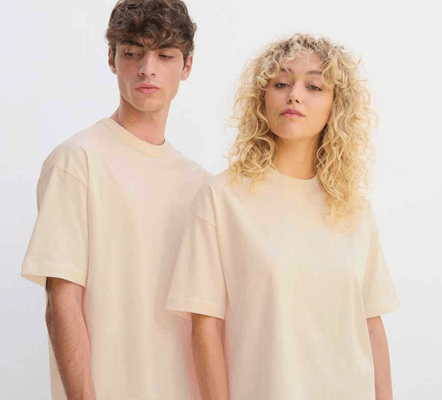
boxy fit
The boxy fit features straight sides with minimal tapering, resulting in a square silhouette. Unlike traditional oversized tees, they're not usually very long and don't have dropped shoulders. Instead, they focus on a wider, squarer cut throughout the body.
When to wear: Rectangular and apple-shaped bodies benefit from the straight lines of a boxy fit. The structured nature of these tees can also add the illusion of width to narrower frames.
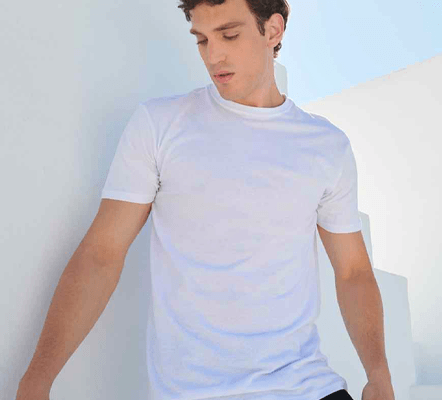
longline fit
Longline t-shirts have an extended hemline that typically reaches past the hips, sometimes to mid-thigh. They may be slim, standard or relaxed through the body - it's the length that gives them their name.
When to wear: Taller people can carry off longline styles particularly well. They're also handy if you want to cover your hip and thigh area.
styling options for relaxed, oversized, boxy and longline fit t-shirts
Relaxed-fit tees work well with similarly relaxed bottoms like straight-leg jeans or chinos. They can be partially tucked at the front (the "French tuck") to add some structure while maintaining the casual feel. For oversized tees, balance is key when styling. Pair them with slimmer bottoms like skinny jeans or leggings so you don't look swamped in fabric. Tucking part of the shirt or adding a belt can help define the waistline and add structure.
Boxy-fit tees create flattering looks when paired with high-waisted bottoms. A cropped boxy tee works well with high-rise jeans or a skirt, while fuller versions can be tucked in to tie the whole look together. Lastly, longline tees are perfect for layering, particularly for creating that fashionable layered hemline look. They can, therefore, work well under shorter sweatshirts or jackets. You might also want to wear them with skinny jeans or leggings for an elongated silhouette.
That covers all the main fits of t-shirts you'll likely encounter. As you can see, they're all variations on a theme and tend to occupy the informal range of looks. However, worn under a blazer or jacket, any well-fitting tee can work at an upmarket event, especially if it's arty or creative.