5 things to look for when choosing a quality T-shirt
Not all t-shirts are created equal. The difference between a garment that loses shape after three washes and one that becomes a wardrobe staple for years often comes down to some key factors that are relatively easy to research. So before your next purchase, especially if it's a bulk buy, examine these five elements.
1. FABRIC COMPOSITION AND WEIGHT
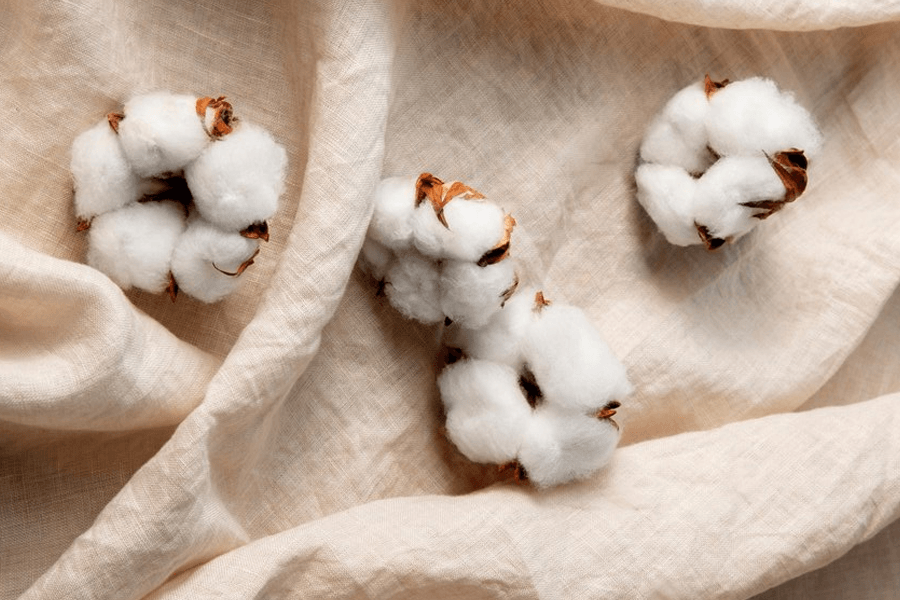
Quality begins with the raw material, cotton. Premium t-shirts typically use long-staple cotton, which produces stronger, softer fabric with fewer loose ends. Check the label for combed or ring-spun cotton too, as both suggest the manufacturing process is better. Egyptian and Pima cotton are known for their durability and comfort, but there are plenty of other cottons that are perfectly fine if processed properly. The weight will also be a clue to the tee's longevity.
Fabric weight appears on labels in grams per square meter (GSM) or ounces per square yard. Lightweight tees (130-150 gsm) work well as undershirts or for hot weather, while midweight options (150-180 gsm) balance comfort and durability or everyday wear. Heavyweight t-shirts (180+ gsm) are more substantial and typically last longer, but they could be too hot for summer or layering. For performance wear, look for blends incorporating elastane (for example, Lycra, an elastane brand), which adds stretch, moisture management and softness without affecting durability.
2. stitching quality
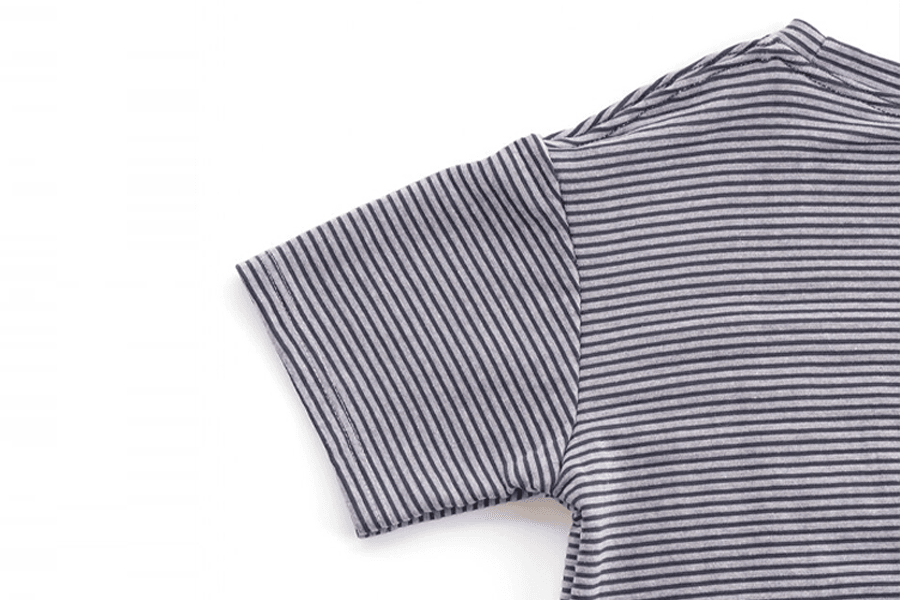
Examine the stitches closely if you get the chance. The stitch count (number of stitches per inch) should be high, creating dense, clean seams that are less likely to unravel. Quality t-shirts have tight, even stitching with no loose threads, puckering or irregular spacing. Double-needle stitching (visible as parallel lines) at shoulders, sleeves and hems means the t-shirt is reinforced at stress points, which is always a sign of quality. The best of the best t-shirts often use flatlock seams that lie smoothly against the skin, reducing irritation and maintaining shape through repeated washing. If you're ordering in bulk, ask for samples beforehand to ensure you know what you're buying.
3. fabrication details
The best t-shirts use more complex construction techniques, which cheaper ones won't bother with. Pre-shrunk fabric, for example, prevents size changes after washing. Taped neck seams bring comfort and structure, preventing the collar from stretching out of shape. Check if the shirt maintains straight side seams when laid flat. Examine whether patterns or stripes align properly at the seams - a sign of careful cutting and assembly that only quality tees will show. Quality shirts often feature ribbed collars rather than thin, flimsy neck bands that quickly stretch or curl. The fabric surface should feel consistent and smooth, with no rough patches or excessive piling. Hold the shirt against the light to check for even weave density. Thin spots of irregularities can quickly develop into holes.
4. colour fastness and finishing
Rub the fabric between your fingers and check if any colour transfers. If it does, that's a surefire sign of poor dyeing. Quality t-shirts undergo more rigorous finishing processes to set colours permanently. Again, if you are buying a large order or intend to make repeat purchases, get a sample and wash it a few times to see if it fades or runs.
5. brand reputation
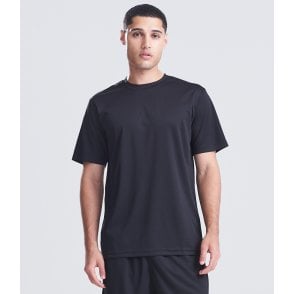
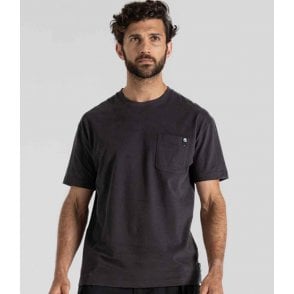
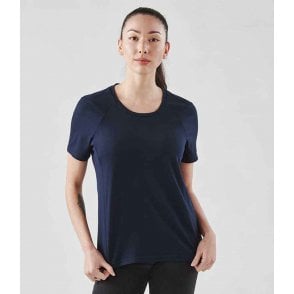
How and where a t-shirt is made will always be a pointer to how good the quality is. Brands with transparent supply chains and ethical policies tend to naturally have stricter quality control. Researching brands before purchasing can reveal red flags and green lights that might guide you. If you're not sure about the first four items on this list, prioritising reputation should stand you in a good stead when you're making your purchase. Popular brands are usually popular for a reason. Fruit of the Loom and Gildan are always great brands for casual wear, and household-name sports and outdoor brands like Craghoppers, Regatta and Stormtech tend to be good for performance t-shirts.