
Do cotton t-shirts shrink in the wash?
Sizing clothing correctly can be surprisingly difficult. Everyone's body is a slightly different size and shape. With only a relatively limited number of options to choose between, it's often going to be a bit of a compromise. This issue is only made worse when you choose what you think is the right size for a piece of clothing, and then it shrinks the first time you wash it. Whether you're designing a batch of t-shirts for your band or orting out a nice new work uniform, it's important that you're aware of the risks around cotton shrinkage and what you can do to mitigate it.
cotton shrinkage
Natural cotton does shrink when it's washed - there are no two ways around it. If the cotton hasn't been pre-shrunk, it will likely shrink up to 20%. Even if it has been pre-shrunk, it can still deform further as it's washed more and subject to different temperatures and environmental conditions. This applies to pure cotton t-shirts and mixed natural and synthetic fabrics. That being said, fabrics containing synthetic cotton blends can be less susceptible to shrinkage unless they're subject to particularly high temperatures. On the plus side, though, it will generally be less breathable than totally natural fabrics, and most people find that cotton is a nicer fabric to wear.
why does cotton shrink?
To understand why cotton shrinks, we need to understand how fabrics are made. Cotton threads are spun from natural cotton fibres collected from - you guessed it - the cotton plant. These fibres are spun into thicker, more durable fibres, the thickness of which will differ depending on the intended usage. Those threads are woven into a fabric using a loom, which can then be made into anything from a bedsheet to a tablecloth.
While cotton and other natural fibres likely won't change much if they're left in a stable, cool and dry environment, if they're dampened or heated, then the tension in the fibres can start to release. The fibres start to contract, slowly warping the fabric out of its original shape. How much this process actually changes the shape of the fabric depends on how the fabrics are woven, among other factors. Different brands and varieties of cotton might shrink in slightly different amounts, but they will all shrink.

does cotton keep on shrinking?
Luckily, cotton won't keep on shrinking until there's nothing left. It should top shrinking once it's been subject to dampness and heat just one or two times - high-quality manufacturers will do this before they distribute their products so that the size you receive is the size the item will stay. Where possible, it's best to go with pre-shrunk options. Most manufacturers nowadays understand that people don't want to have to go through the process themselves; it makes it a lot more difficult to work out what size you need and is more generally just a bit of a pain. This might mean spending slightly more on the batch, but the difference shouldn't be too significant per unit if you're buying in bulk.
why does it matter?
No matter why you're getting a batch of t-shirts, they're going to represent your organisation. Not just what they look like but also the experience they provide to the wearer. You want anyone who has a t-shirt from your brand to have an enjoyable overall experience from start to finish. T-shirts that are prone to excessive shrinking will likely be a lower quality and won't be as nice to wear. They possibly won't last as long either, meaning that your investment, rather than a cheap marketing ploy.
what you can do to mitigate the risk
Luckily, there are a few things that you can do to mitigate the risk of ecesive t-shirt shrinkage.
High-quality fabric
One way to mitigate the risk of excessive t-shirt shrinkage is to buy high-quality fabric items. This is especially important if you're buying a lot of items and distributing them to customers or employees - you want to produce something that looks good and lasts. High-quality fabric is far less prone to shrinking, as the manufacturer will have taken more preventative steps. This includes factoring in shrinkage when designing the t-shirt and using high-quality fibres that have been processed in the right ways.
Pre-wash
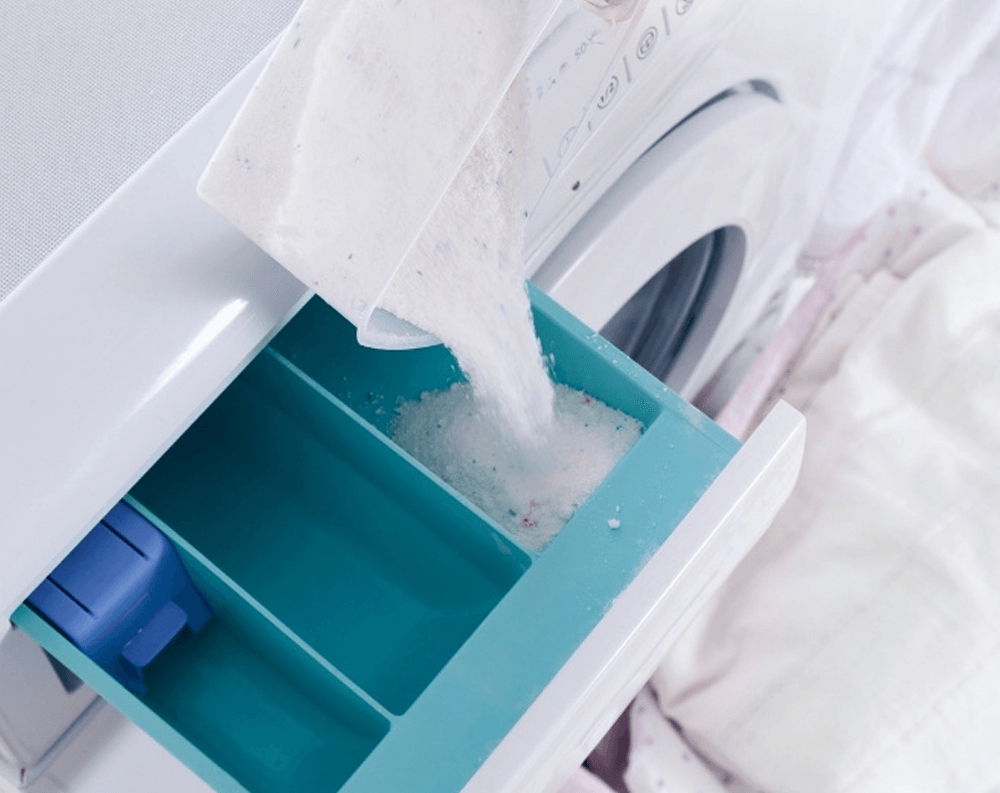
One thing that you can do is pre-wash the t-shirts. This way, you'll have already shrunk the t-shirts, and people can try them on at their post-shrunk size. This won't be suitable in all scenarios, and won't be necessary with all kinds of t-shirts. It's worth thinking about, though, especially if you have to use a lower-quality fabric option.
Provide specific washing instructions
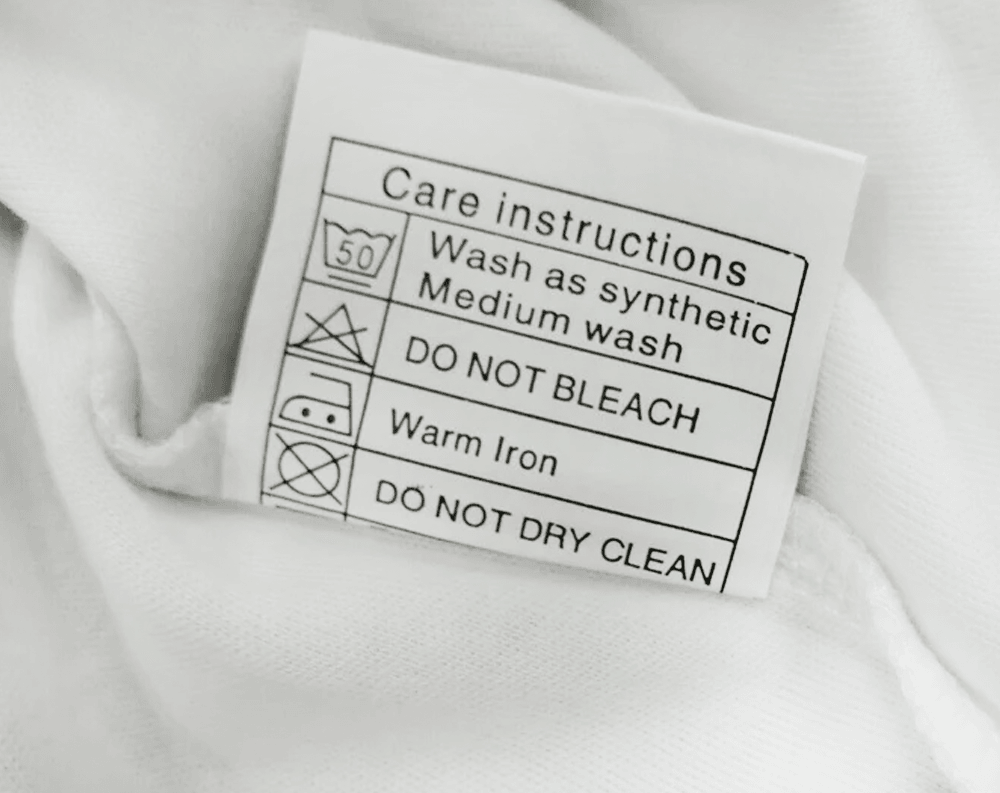
If you know that the t-shirt you've got will shrink excessively when subject to high temperatures, then you can provide specific washing instructions. This could be to avoid high temperatures or to avoid excessively quick spinning.
Avoid tumble drying
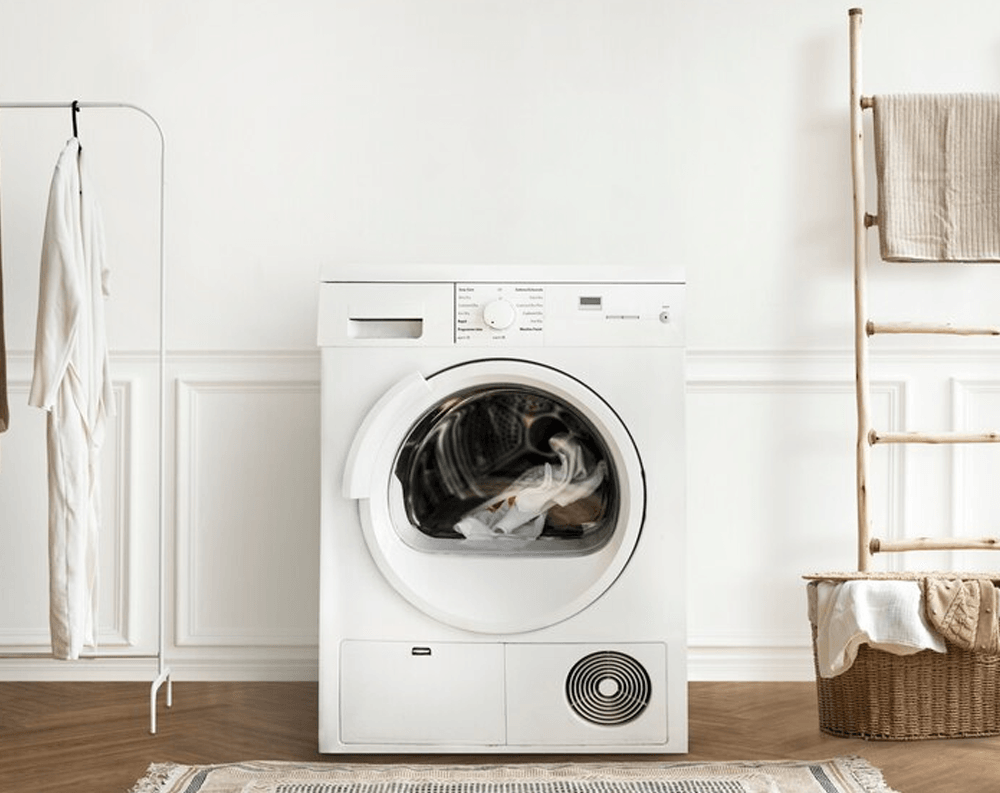
As high heat can cause fabrics to shrink, you don't just need to watch out for washing your clothes too hot - you also need to make sure that you don't tumble dry certain fabrics. If you know that the t-shirts you have don't respond well to high heat, it's best to recommend that the users don't tumble dry them.
Cotton t-shirts do shrink, sometimes significantly. It's best to go with a provider that pre-shrinks their items so that you don't end up with a product that will change dramatically as soon as it's washed. Even some pre-washed or embroidered fabrics can still shrink more, however, and it's important that you provide instructions with any t-shirts that you distribute. Make sure that the end user is aware of the dangers of washing or tumble drying their items at high temperatures so that they don't inadvertently damage their t-shirts.