

What is heavyweight clothing?
To put it simply, heavyweight clothing refers to garments made from densely woven fabrics. This heavy weave offers more durability, warmth and structure compared to lightweight or regular fabrics.
Where a fabric has its weight per square metre advertised, you can tell how light it is. In technical terms, heavyweight fabrics generally weigh 350 grams or more per square meter. For context, a standard t-shirt is typically made from fabric weighing 150-180 grams per square meter. Note, however, that what is considered "heavyweight" can vary between garments. A heavyweight shirt or blouse would be considered relatively light for a sweater or hoodie, for example. Denim would be even more extreme - imagine jeans with the same thickness as your heaviest shirt, and you'll get what we mean.

benefits of heavyweight clothing
The density of heavyweight fabric creates more air pockets that trap body heat while providing a better barrier against wind. That's why a heavyweight sweater or sweatshirt offers much more warmth than a similar style in a lighter-weight material. It's about more than insulation, though. These garments will typically hold their shape better, creating more structured silhouettes that can be more flattering. A heavyweight cotton t-shirt, for example, creates a straighter, neater look, while a light one might cling to the body.
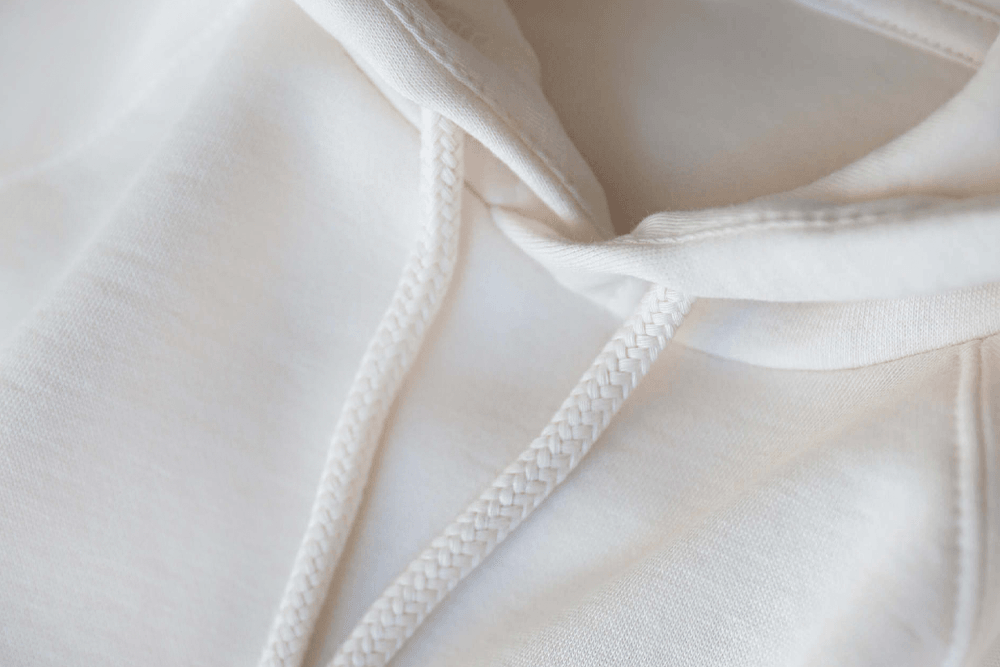
Durability is another benefit. Heavyweight fabrics tend to withstand repeated washing, regular wear and coming into contact with rough surfaces much better than light ones. This makes them ideal for workwear and outdoor activities. It's also less likely to develop holes at stress points like knees and elbows. Heavyweight fabrics' texture and feel can also appeal to the wearer and look more high-end. There's something satisfying about the substantial look and feel of a quality heavyweight garment in soft brushed cotton.
Drawbacks of heavyweight
Heavyweight clothing isn't without drawbacks, which should be noted. The additional material means these garments are typically more expensive to produce and purchase. That could also mean a bigger carbon footprint, although recycling can lessen the impact. You'll no doubt find they also take up more space in luggage or storage and can be impractical in warmer climates as they can be less breathable.
Heavyweight fabrics also typically take longer to dry after washing, which can be inconvenient when you need a quick turnaround, such as when travelling. And if you're looking at formal wear, note that they can be a little harder to iron or press than lighter fabrics, so creases can show up if not adequately prepared.

Styling heavyweight clothing
In styling terms, pieces like heavyweight hoodies usually work best when balanced with more lightly weighted clothes. It just avoids an overly bulky silhouette, which can look odd and be inconvenient to wear. A heavyweight oversized t-shirt, for example, pairs beautifully with slim-fitting trousers or leggings.
Once you understand the difference between lightweight, midweight and heavyweight options, you can build a versatile wardrobe that will serve you all year round. As with most things in life, it's a compromise or a trade-off - structure vs. lightness, insulation vs. breathability, durability vs. ease of drying. We'd recommend mixing and matching your weights, so always read the specifications when buying your clothing.