

How to wash embroidered clothing: The complete guide
Embroidered clothing can often resemble works of art. The care and attention that goes into creating such a detailed and ornamental design are astounding, and it's important to keep it looking as nice as possible. It's inevitable that your embroidered clothing will, at some point, need washing. As embroidery can be somewhat delicate, it's important that you take care when washing, drying, and storing any embroidered garments. That's why we created this complete guide on the topic, to help ensure your embroidered items stay perfect for as long as possible.


Washing
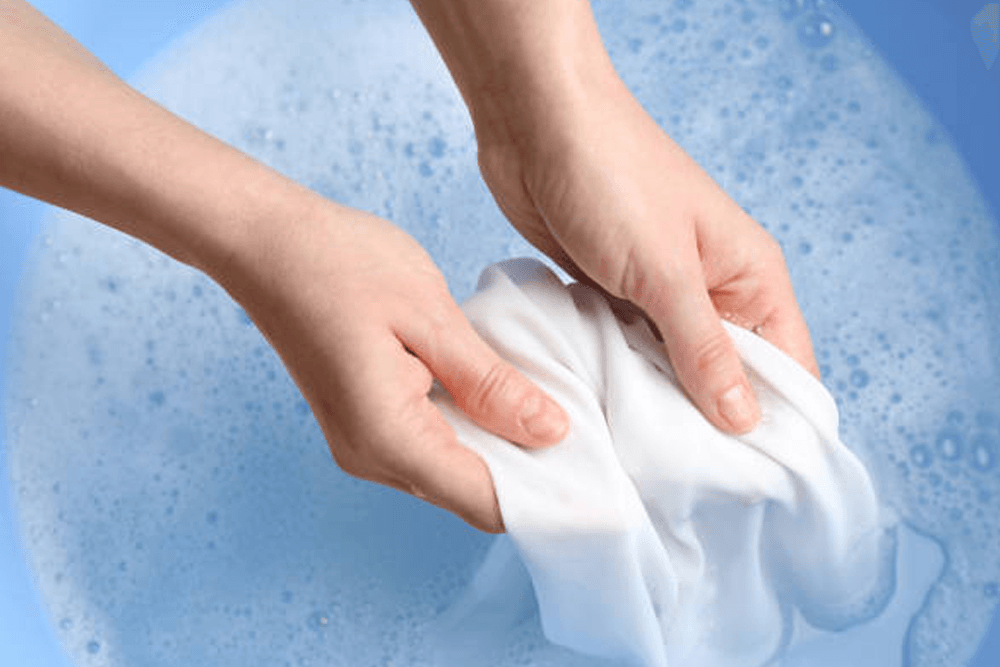
Washing embroidered clothing requires a bit of extra care to ensure that the embroidery is not damaged in the process. Here are some basic steps you should follow.
1. If there is one, it's important to check the care label on the garment before washing. It will give you information on the recommended cleaning method, water temperature, and whether the item will likely leak colour when washed.
2. Turn the garment inside out to help protect the embroidery from abrasion, snagging, and unnecessary discolouration.
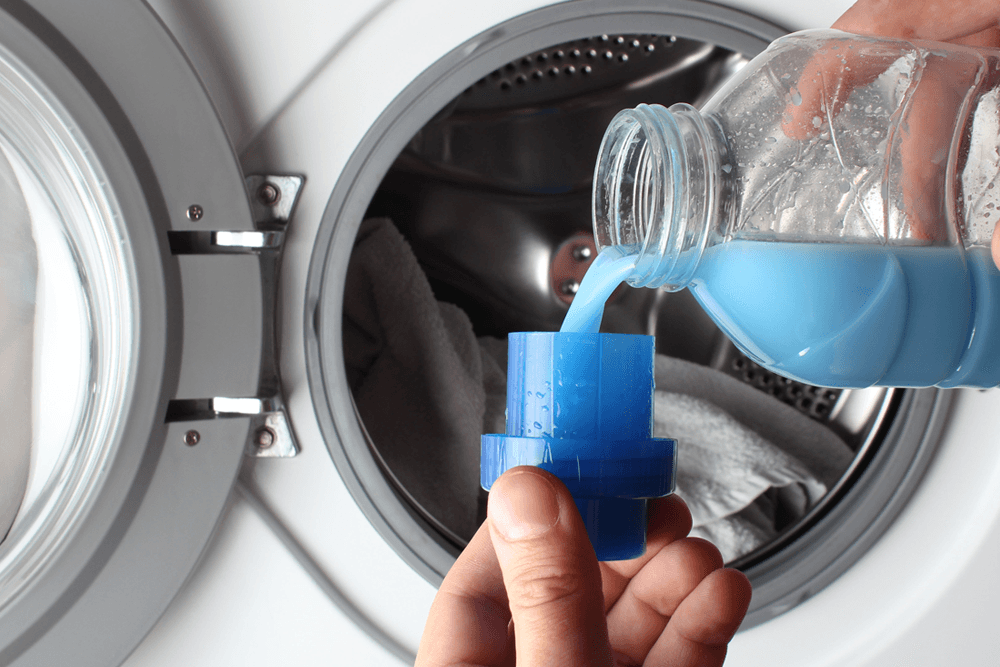
3. Use a mild detergent specially designed for more delicate fabrics so that it doesn't take the colour out of the design too much.
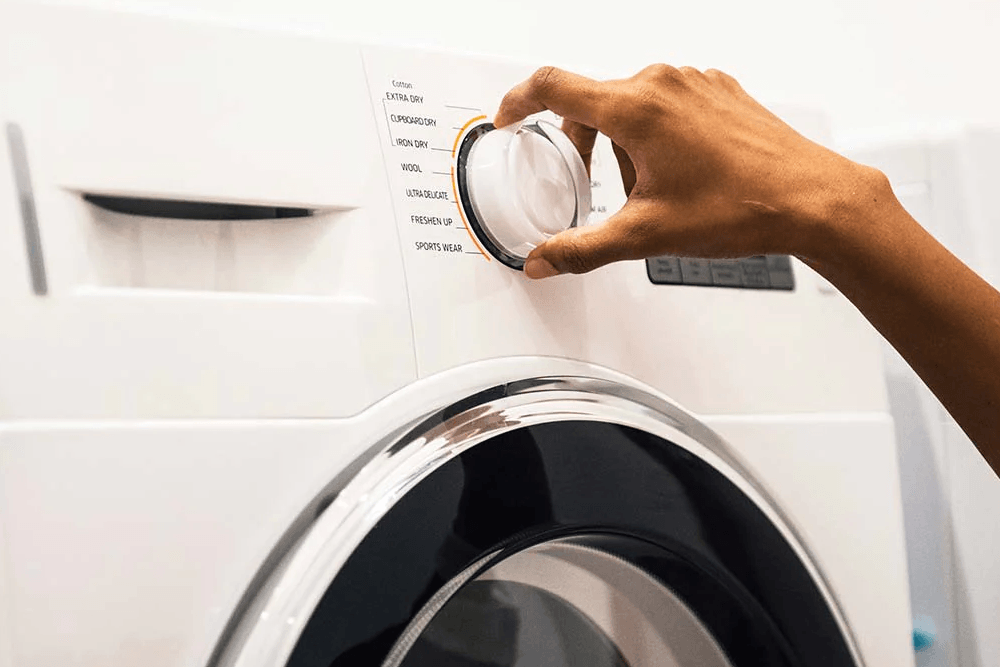
4. Wash the garment on a gentle cycle in cold water if at all possible. Hot water can cause shrinkage, discolouration, and damage to delicate embroidery and fabric.
5. Avoid using bleach, fabric softeners, or other harsh chemicals that can discolour or damage the embroidery or the fabric itself.
6. If the item is heavily soiled, you can spot-clean the embroidery by gently rubbing a small amount of mild detergent on the stain and then rinsing it off with cold water rather than washing the whole item.
7. Do not wring or twist the item once the wash cycle is complete. Instead, gently press out the excess water and reshape the garment if necessary.
dO nOT
DRYING
Drying can often be one of the most damaging parts of the product care process. Drying embroidered clothing requires additional care to make sure that the embroidery is not damaged in the process. Here are some steps to follow.
1. Even if the clothing comes out soaking wet (which is possible if you don't use a spin cycle), don't try to wring the water out of it. It can stretch the items and damage the embroidery.
2. Lay the garment flat on a clean, dry towel. Avoid hanging the garment when it's still wet, as the additional weight of the wet fabric can stretch or distort the embroidery.
3. Lay another towel on top of the item and gently press the garment to remove more water, taking care not to rub or damage the embroidery unnecessarily.
4. Once you've gotten most of the water out this way, allow the garment to air dry, away from direct sunlight or heat sources that can damage the embroidery or cause the colours to fade.
5. If the garment is too large to lay flat or if you want to speed up the drying process, you can also dry it by laying it on a clean, dry towel and then rolling it up in the towel, like a burrito, to press out more water. Be careful with doing this, as if you roll it too aggressively, you may still stretch it or damage the embroidery.
IRONING
Of course, ironing isn't a necessary part of caring for your clothing, but some people definitely prefer to step out of the house looking extra crisp. If you do want to iron your embroidered clothing, you'll want to follow these simple steps.
1. First, turn the garment inside out to protect the embroidery directly from heat. The delicate threads can become damaged or discoloured, and you don't want that happening on the front of your garment.
2. Set the iron to the lowest heat setting suitable for the fabric.
3. Place a pressing cloth, such as a clean, damp cotton cloth or a pillowcase, over the embroidery.
4. Gently press the iron over the pressing cloth, using a back-and-forth motion rather than sliding the iron around.
5. If the embroidery is particularly delicate, use the steam setting on your iron, but still avoid direct contact with the embroidery.
6. Avoid ironing over any beads or other embellishments, as they may melt or become damaged, especially if they're made from a more kind of delicate plastic.
7. Allow the garment to cool and dry before wearing, folding, or storing.
Of course, always check the label of your clothing first. If you bought the piece from an artist or individual maker, then check with them for product care tips related to ironing.
STORING
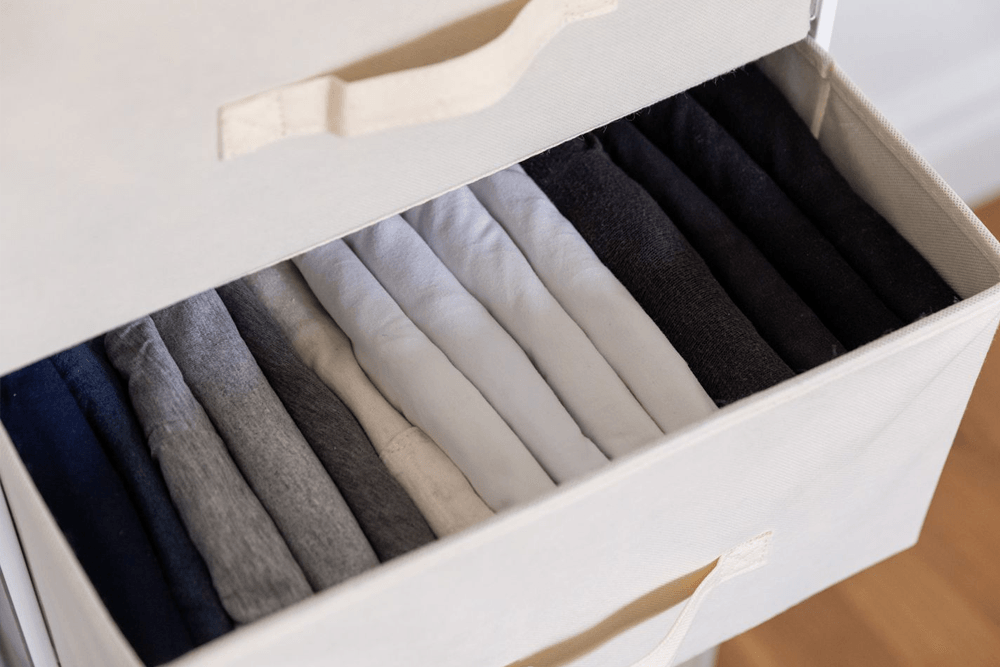
As with all clothing, how you store your embroidered items will play a significant role in how long they last.
1. Make sure the embroidered items are totally dry before storing them. Any moisture or dampness can cause mildew or discolouration to the embroidery and will likely mean that when it's time to wear it, you will find a musky-smelling, discoloured item.
2. Fold the garment carefully, taking care not to create or wrinkle the embroidery. If you don't have appropriate, high-quality hangers, avoid hanging the garment, as the weight of the fabric and design might stretch or distort the embroidery.
3. You might even consider using acid-free tissue paper or a clean, white cotton sheet to wrap the garment before storing it. This will help to protect the embroidery from dust, dirt, and other damaging environmental factors.
4. Store the garment in a cool, dry, place away from direct sunlight, heat sources, and humid areas. A closet or a chest of drawers in a temperature and humidity-controlled room would be the best option.
5. Avoid storing the garment in a plastic bag or airtight container, as this can trap moisture and cause mildew to grow on the piece of clothing. If you have moths, that's a whole other issue.
6.Rotate your clothes. If you have embroidered clothes, try not to store them for long periods of time. Rotate them every few months to keep them fresh and prevent discolouration.
While this might seem like a lot to take in, it's likely you do a lot of things in the guide already. By taking these relatively simple steps, you can ensure that your embroidered clothing lasts for as long as possible while remaining totally pristine. Interested in how to safely wash screen printed t-shirts? Take a look at our complete care guide to washing and drying screen-printed t-shirts here!