

The Complete Guide to Buying Workwear
Buying good-quality workwear for your team isn't simply any expense. It's also an investment that impacts employee safety and your company's professional image. And that can lead to a better perception among your public or clients, as well as other benefits, such as lower insurance costs and reduced time lost to sickness and injury. Getting it right requires careful consideration of numerous factors, including legal compliance, comfort, and durability. This quick guide will help you navigate the process of buying workwear, enabling you to make informed decisions that benefit both your business and your staff.
knowing your industry requirements
Your starting point should be to research the relevant Health and Safety (HSE) guidelines for your industry and ensure that any workwear purchases meet or exceed these standards. Remember, these rules are subject to change over time, so stay informed about updates. Non-compliance can result in serious legal consequences and, more importantly, put your employees at risk. Your industry's specialist publications, conferences and media should help to keep you informed.

industry requirements
Before selecting any workwear, thoroughly research your industry-specific requirements. Different sectors have their own safety standards, compliance obligations and practical considerations that directly influence your workwear selection.
For example, construction and manufacturing environments typically require high-visibility clothing, safety footwear, and protective equipment that meet British Standards. And healthcare, food preparations and hospitality settings demand easy-to-clean fabrics with antimicrobial properties.
Assessing your team’s needs
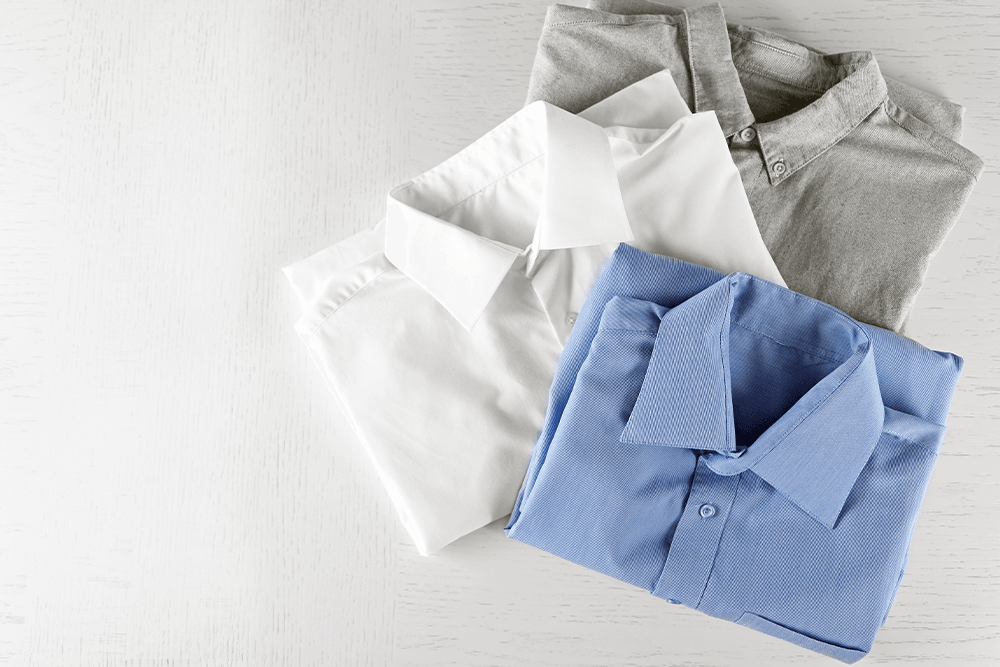
Conduct a proper assessment of your workforce's daily activities and working conditions. You should consider factors such as physical demands, environmental exposure, seasonal changes and how long the clothing is typically worn in a session, or between washes.
It's a good idea to survey your employees about their current work attire. Cover aspects such as comfort, how restrictive it is, how safe it makes them feel, and any specific requirements for the job. Their insights are beneficial for identifying practical issues that can inform your choices the next time you're buying workwear.
Quality and durability
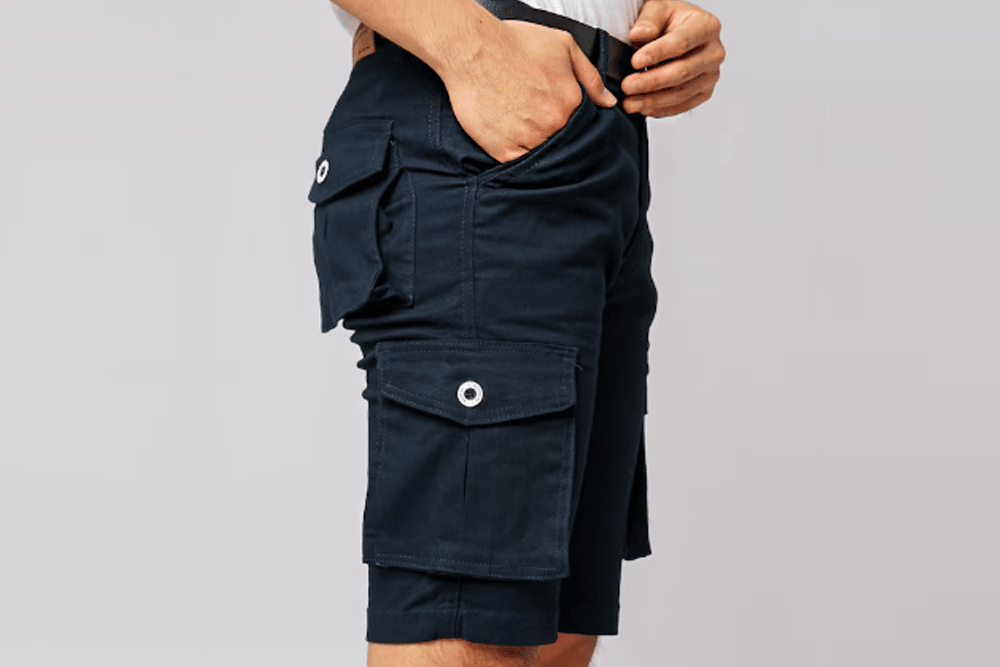
To help minimise ongoing workwear expenses, always consider durability when you're deciding what to buy. Good-quality garments from well-known brands may cost more initially, but they usually pay for themselves by lasting longer and still looking good after multiple washes and plenty of wear.
If you get the chance, examine the fabric uses, stitching quality and reinforcement in high-wear areas such as knees, elbows, and pockets. Look for features like triple-stitch seams, reinforced stress points, and high-quality hardware, such as zippers and fasteners.

Budget planning
Make sure you develop a budget that includes purchase costs, ongoing replacement expenses, customisation fees and any additional services such as embroidery or printing. From a business perspective, consider the total cost of ownership, not just the initial purchase price. Cheaper workwear that requires frequent replacement usually costs more than high-quality alternatives with longer lifespans.
Bulk purchasing is almost always the best option, as long as you have sufficient cash flow. Try to establish relationships with suppliers who might cut you a deal if you buy exclusively from them. But even in the absence of a special arrangement, it's usually more efficient to buy your wholesale clothing from a single supplier, as long as they stock all the things you need.

Supplier selection
Select suppliers with a proven track record in your sector. Look for companies that understand your specific requirements and can provide ongoing support, advice and consistent product availability.
You should choose suppliers based on their product range, quality standards, customer service, returns policy, delivery options, and, of course, pricing.

Sizing and fit guidelines
Proper fit is essential for the safety and comfort of your team. Ill-fitting workwear can restrict movement, create safety hazards or make employees uncomfortable throughout their working day. If you have a public-facing team, such as hospitality, well-fitting clothes also have a huge positive impact on how your business is perceived.
Ask for detailed sizing charts from suppliers and consider ordering samples in various sizes for fitting trials. Don't forget that workwear often requires layers underneath, particularly in colder months or industries that require additional protective equipment. Also, plan for size variations within your workplace, and consider how sizing might change the staff turnover. Maintain a small stock of various sizes for new starters and emergency replacements.
customisation and branding
Workwear offers excellent opportunities for company branding and establishing a professional team identity. Consider embroidered logos for a long-lasting, more professional appearance, but any high-quality printing will enhance your branding. Plan your printing or embroidery before placing your order so that you can complete the purchase and customisation in a single transaction. It all helps keep the costs and time down, and the supplier will know how certain customisation techniques work with specific clothing (e.g. embroidery can damage waterproofing, and some fabrics don't take screen printing well).
ready to order?
Hopefully, this guide provides you with enough information to help you make an informed decision about your workwear and obtain extra value that goes beyond the purchase price. If you're looking for a UK workwear supplier with an enormous range of brands and in-house customisation, let's talk.