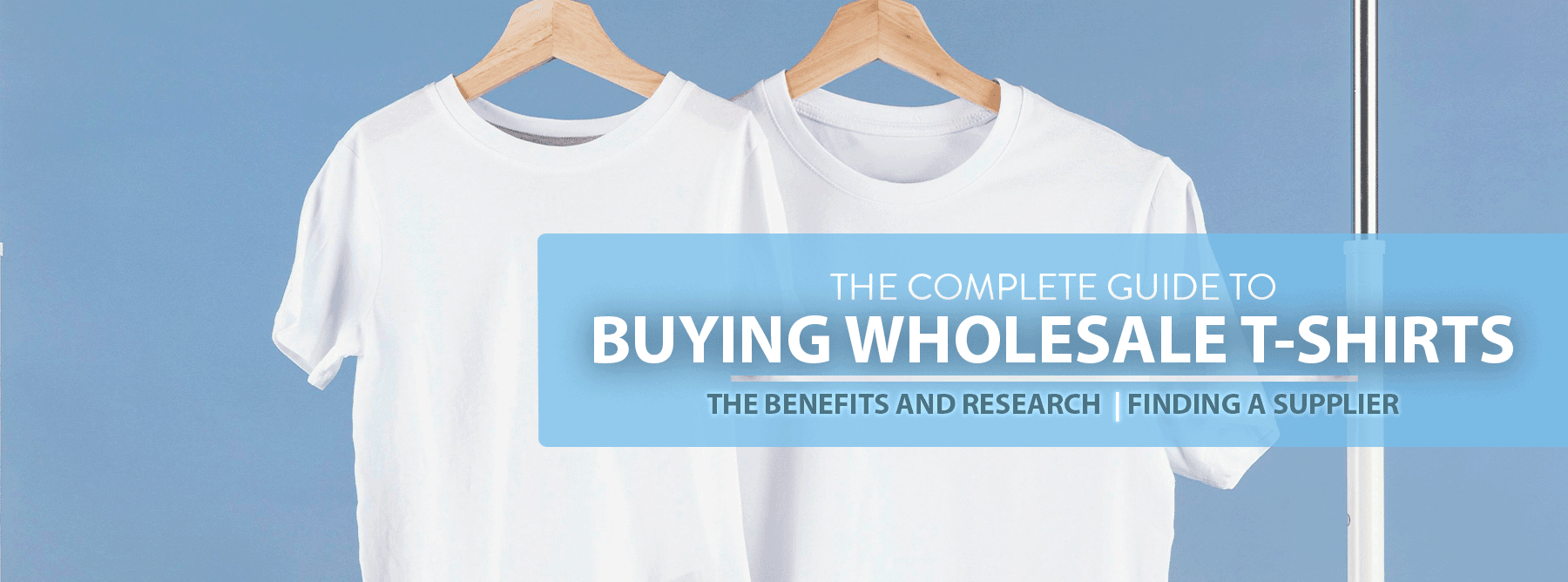
The complete guide to buying wholesale T-shirts
Buying wholesale t-shirts is popular among many businesses, charities, clubs, and other organisations. Whether you are a retailer looking to stock your shelves, an organisation planning an event or a business needing uniforms, purchasing your t-shirts wholesale offers numerous advantages. This comprehensive guide explores the benefits of buying wholesale, offers tips on finding reliable wholesalers, explains the importance of recognisable brands, and has much more info to help you navigate the wholesale t-shirt buying process effectively.
the benefits of buying wholesale
Buying t-shirts in bulk has a multitude of benefits which can significantly enhance your business operations. The alternative, buying from retailers, might work on a very small scale, but as your needs grow, the benefits of sourcing your t-shirts wholesale start adding up to the point where they can become business-critical. Let's look at the benefits one by one.
cost savings
One of the primary (if not the primary) advantages of buying wholesale is the potential for significant cost savings. Wholesalers offer lower prices per unit through bulk sales, enabling businesses to purchase large quantities at a reduced rate and maximise profit margins. Delivery costs are also a factor here - ten orders of ten t-shirts will always cost more than two orders of fifty t-shirts.
bulk availability
Wholesale purchasing ensures you have a predictable supply of stock. This reduces the risk of running out of popular sizes or colours, helping you meet customer or team demand without disturbances or hiccups.
negotiable prices and discounts
Wholesalers often offer room for negotiation, especially if you're placing large orders regularly. Building a strong relationship with your wholesaler can lead to further discounts and preferential terms, enhancing your competitive edge. It's not always the case, though. Some suppliers work at quite tight margins themselves, relying solely on numbers to maintain profits. So, while negotiations might not be much wiggle room, you should benefit from ongoing savings.
variety and options
Wholesalers typically provide a wide range of products, from different styles and colours to various materials. This variety allows you to cater to diverse customer preferences and market trends effectively.
consistency
Slight differences in colour or design really stand out when the members of a team are next to each other, for example, serving in a restaurant or posing for a team photo. Buying in bulk makes sure you're getting your t-shirts from the same batch, so you're guaranteed consistency.
FINDING A RELIABLE WHOLESALER
Finding a trustworthy wholesaler starts with thorough research. The internet is your friend here - you can look for local or national suppliers and compare and contrast their pricing and terms. Additionally, industry forums, review sites, and trade shows can provide insights into reputable suppliers. Establishing a strong relationship with your wholesaler can be beneficial in the long run. Engage in open communication and regular interactions to build trust and resolve issues promptly. Remember - this is a mutually beneficial relationship. The wholesaler wants your custom, and you want reliability and consistency.
THE IMPORTANCE OF RECOGNISABLE BRANDS
Always look for suppliers who sell t-shirts made by companies you've heard of. Choosing t-shirts from recognisable brands usually guarantees higher quality. Popular brands have reputations to maintain, meaning they are more likely to adhere to high manufacturing, welfare and ecological standards. You don't have to work in the apparel trade to have heard of Fruit of the Loom, Gildan, Just Hoods, and Regatta. They're synonymous with quality and choice. If that's important to you, it's worth looking out for. Consumers tend to trust brands they recognise and are loyal to them. Stocking well-known brands can help boost customer loyalty and satisfaction.
ORGANISATIONS BENEFITING FROM WHOLESALE T-SHIRTS
So who is buying their t-shirts wholesale? If you fall into one of these categories, it's likely that you'll be able to take advantage of wholesale buying.

retail businesses
Retail stores benefit greatly from buying wholesale t-shirts, allowing for a diverse inventory at reduced costs. This is crucial for meeting customer demand while remaining competitive in the market. Realistically, retailers never buy from other retailers unless they plan to make a significant markup (usually when selling where competitors are scarce, such as on beaches or in entertainment venues).

corporates
Corporations often use t-shirts for uniforms, promotional giveaways and team-building events. Wholesale purchases make it economically feasible to outfit large groups consistently.

non-profits and charities
Non-profits and charities frequently require large quantities of t-shirts for events, fundraisers and giveaways. Purchasing wholesale helps stretch limited budgets further.

schools and sports teams
Schools and sports teams need t-shirts for uniforms, events, field trips and to promote team spirit. Wholesale purchasing provides affordable options for outfitting entire teams or student groups.

craft businesses and custom t-shirt sellers
Craft businesses and custom t-shirt sellers rely on high-quality blank t-shirts for their creations. Buying wholesale ensures a stable supply of base products to personalise and sell.
different types of t-shirts and where they're used
Different types of t-shirts can give off different vibes, so they serve various purposes from formal to fun. Understanding these variations can help you choose the right ones for specific situations.

crew neck
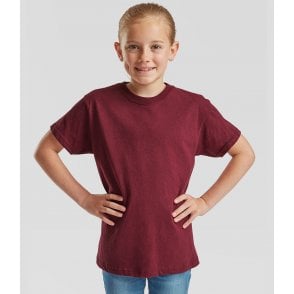
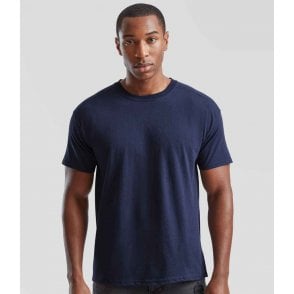
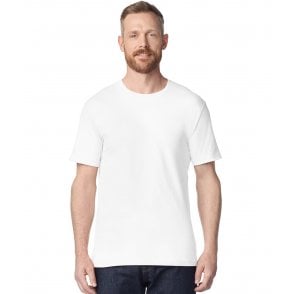
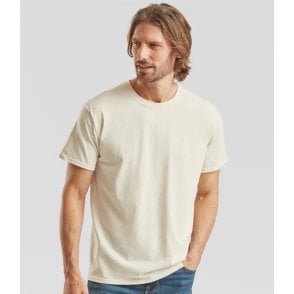
The classic crew neck t-shirt features a round neckline and is ideal for everyday wear. It's versatile and popular among all age groups. Crew necks can be worn as an underlayer and are the go-to type of t-shirt for band and team prints. They can be quite informal, though, so they don't suit all purposes.
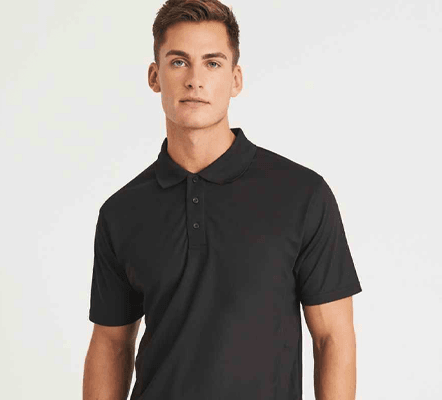
polo shirts
Polo shirts come with a collar and buttoned placket, making them suitable for business casual settings and promotional events where a slightly more formal appearance is required. Gyms, golf clubs, healthcare workers, corporate events and maintenance staff can give off a professional look with polo shirts.
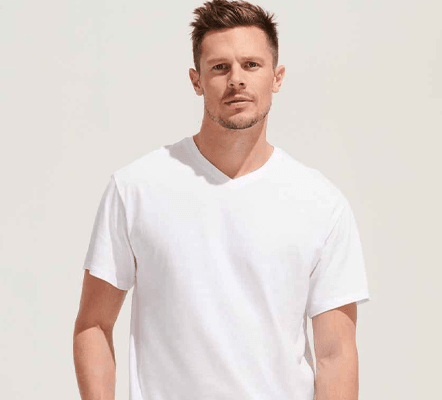
v-neck
V-neck t-shirts have a v-shaped neckline that adds a splash of style. They are fashionable options suitable for both casual and semi-formal occasions and tend to be used in similar situations to crew necks.
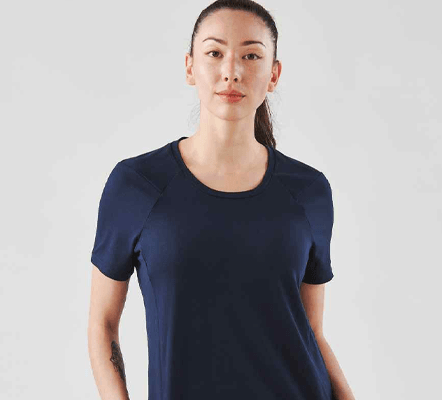
SCOOP NECK
Scoop neck t-shirts feature a wider, round neckline that sits lower on the chest. They are particularly popular in women's fashion and are great for layering. Overall, they are the most informal of all the t-shirts, and are great for beachwear or working out.
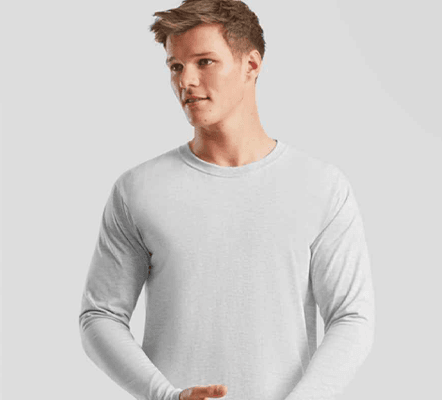
LONG-SLEEVE TEE
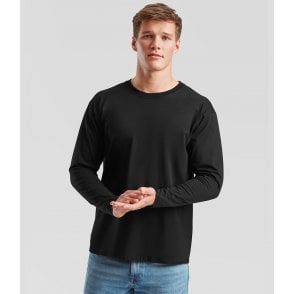
Long-sleeve t-shirts provide extra coverage and warmth, making them perfect for cooler weather or layering under jackets. They tend to be lighter than sweatshirts, made from a thinner fabric.

PERFORMANCE T-SHIRTS
Performance t-shirts have moisture-wicking properties, making them ideal for athletic activities due to their ability to keep the wearer dry and comfortable. Naturally, these are designed for sportswear, hiking, gym wear and some active jobs.
UNDERSTANDING YOUR TARGET MANAGEMENT
Identifying your target management is cruical for making informed inventory decisions. Consider factors such as age, gender, occupation and location. These demographics will influence the types of t-shirts you should stock.If your customers tend to be professional, go for polos. More relaxed target groups are generally happy with crew or v-neck tees. If you're dealing with larger numbers, consider the interests, values, attitudes and lifestyles of your target audience. This helps tailor your inventory to match their performance effectively. Use market research and sales data to determine which styles, colours and sizes are most popular with your target market. This ensures you stock items that meet customer preferences.
ENSURING QUALITY
Quality assurance is vital when buying in bulk. You need to assess the quality of fabric, stitching, fit and overall construction of the t-shirts before making a larger purchase. That's why, before committing to a larger purchase, it's essential to request samples from wholesalers. When requesting samples, specify the types of t-shirts you're interested in, along with preferred sizes and colours. Evaluate each sample thoroughly before making a decision. Check samples for fabric quality (softness, durability), stitching (double-stitched seams), fit (true to size), and other specifics that meet your customers' or team's expectations.
RETURNS, DELIVERY, ACCOUNTS AND COMPLAINTS POLICIES
Understanding your wholesaler's policies can save you from potential complications later on.

RETURNS POLICIES
Ensure that the wholesaler has a flexible returns policy in case products don't meet quality standards or sent incorrectly. Familiarise yourself with any restocking fees or return timeframes.

Delivery times and costs
Know the delivery times and associated costs upfront. Reliable wholesalers provide accurate shipping timelines so you can plan your inventory management accordingly.

setting up an account
Setting up an account with your wholesaler often grants access to better terms, discounts, returns and faster service. Enquire about any benefits associated with being an account holder, such as preferential delivery or fast-track or cross-ship returns.

Handling complaints
Understand procedures for handling complaints or issues that arise with orders. A responsive customer service team can reduce potential disruption to your business operations.
ordering to best meet your needs: inventory management
Effective inventory management ensures you meet customer demand without overstocking or running out of essential items. Base your order quantities on historical sales data, seasonal trends and anticipated demand. Regularly reviewing these factors helps keep your inventory levels optimal. Use inventory management software or systems to track stock levels in real-time if necessary as this helps prevent overstocking or unexpected stockouts of high-demand items. Plan orders around seasonal demands. For example, lighter materials for summer months or long-sleeve options for winter can align inventory with customer needs efficiently.
If you're a retailer, maintaining balanced stock levels mean you have enough inventory to meet demand without tying up too much capital in unsold stock. Regular adults aid in managing this balance well.
customisation: printing and embroidery
Personalised items are increasingly popular, so customisation options add significant value to your product offerings. Even if you're a t-shirt printing business, it's sometimes advantageous to have repeat prints (for example, tags and your own branding) printed in advance to save you a job on each print.
in-house customisation from suppliers
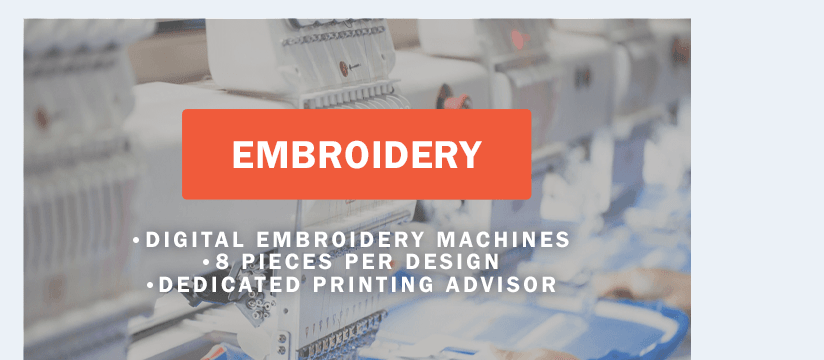
We offer in-house customisation services like screen printing and embroidery. Whether it's a one-off job or a repeat order, we can set up the most efficient and cost-effective way of putting branding, staff names, monograms or other designs on your t-shrits. That means you only need one order and one delivery.
quality considerations
Evaluate customisation quality by requesting examples of previous work from prospective suppliers to ensure it meets your standards before placing larger orders.

SCREEN PRINTING
Interested in screen printing?
View our screen printing services here.
USING ONE SUPPLIER VS MULTIPLE SUPPLIERS
Deciding whether to use multiple suppliers or streamline operations through one supplier requires careful consideration. It's possible that you need to use different suppliers to acquire a diverse range of products. But if you choose a supplier with a wide range already, it's almost certain you'll get a better deal by ordering everything through them.
single supplier: benefits
Managing a single relationship streamlines ordering, communication and inventory management processes and ensures uniformity in product quality, which can help maintain your brand's reputation. Larger orders from a single supplier can lead to bulk discounts, better payment terms, and stronger business relationships.
SINGLE SUPPLIER: drawbacks
Relying on one supplier makes you vulnerable if they face supply issues, quality problems, or price increases. Compared to sourcing from multiple suppliers, you might have to compromise on the variety of products available. However, a large supplier with a diverse range should mitigate this issue.
multiple SUPPLIERs: benefits
If one supplier encounters issues, such as stock shortages or shipping delays, you have alternatives to fall back on. Also, multiple suppliers might compete for your business, leading to better rates and terms. Finally, access to a broader range of products allows you to respond quickly to market changes and customer preferences.
MULTIPLE SUPPLIERS: drawbacks
Managing relationships, orders, and communications with several suppliers can be time-consuming and complex. An important factor is that supplier variations could result in inconsistent product quality, which may affect customer satisfaction. Another potential drawback is that you might miss out on loyalty benefits such as bulk discounts, favourable payment terms or expedited services that often come with high-volume orders from a single supplier.
do your research, but always be prepared for change
Navigating the world of wholesale t-shirt buying can seem daunting at first, but with the right knowledge and strategies, it becomes a manageable process. If you're entirely new to the business, try and get all your ducks in a row before committing to what could be an expensive order. The more information you have about the products and services and how you plan to use your t-shirts, the better the outcomes will be. That said, like any business, buying t-shirts for whatever reason always benefits from regular audits, and you should stop shopping around. If you find a great t-shirt supplier, stick with them, but don't fall into the sunk cost fallacy if you've built a relationship with a supplier that regularly lets you down. There are plenty of excellent t-shirts out there, mentioning no names!