
The Beginner’s Guide to Designing Your Own T-Shirt Graphics
Designing your own t-shirt graphics is creative, fun and possibly even profitable. With the right guidance, anyone can turn their artistic visions into wearable art. At Screen Textiles, we're committed to providing high-quality wholesale t-shirts to transform your designs into reality. And because we print and embroider, you can simply send your designs to us and we'll supply the garments and get them printed to industry standard. Let's delve into the world of t-shirt graphic design, exploring both the basics of design and the various techniques and materials available.
getting started with t-shirt design
So you're ready to design your own t-shirt graphics? Let's start with the basics.
inspiration and concept
Every great design begins with inspiration. Look around you—social media, fashion trends, nature, art—anything that you're into can create that spark. Once you've gathered some ideas together, start brainstorming and sketching rough drafts. Don't worry about perfection at this stage; let your creativity flow, then fine-tune the designs you like the best.
understanding your audience
Who is your design for? Understanding your target audience is crucial. Consider their age, interests, and style preferences. Whether you're designing for a teenage streetwear crowd or a more mature, sophisticated clientele, tailoring your designs to the audience's tastes is the most important thing from a commercial perspective.
design elements
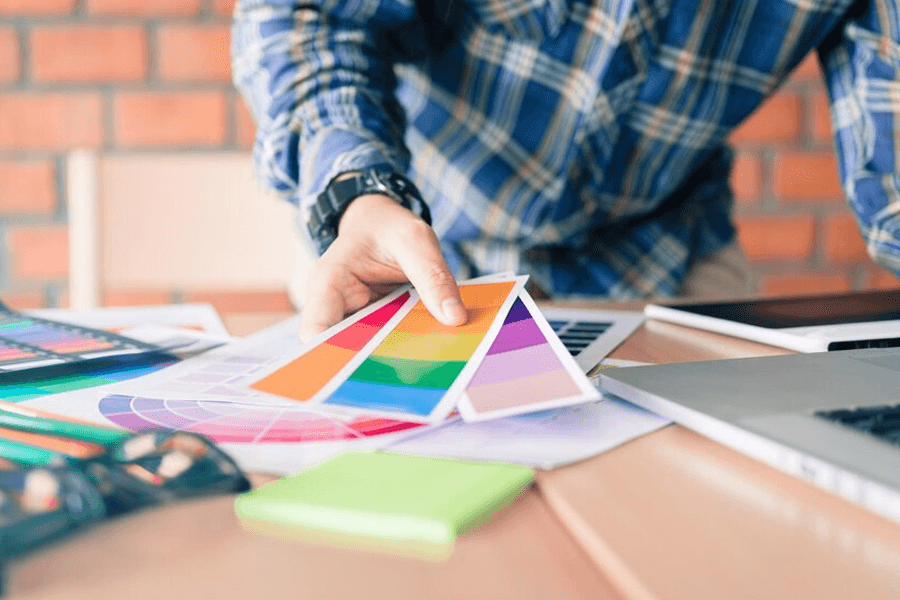
Balance, contrast, alignment and proximity are the four cornerstones of good design. Choose a colour palette that resonates with your audience - colours evoke emotions and set the tone for your design. Typography is another vital aspect; the right font can enhance your message and style. Select typefaces that complement your design and ensure readability. Design is obviously a huge subject that people study for years, so don't expect perfection overnight. Keep things simple at first, and get as much info as you can from blogs, videos, books and presentations to enhance your skills. It's a good idea to focus on a certain design type rather than try to be an all-rounder. You're more likely to get a name for yourself that way. Start simple. Use templates and ready-made vectors to get going. Experiment and practise regularly because improvement comes with time, effort, and lots of mistakes.
digital tools and software
Designing t-shirt graphics requires the right tools. There are several excellent software options available. Adobe Illustrator is considered the industry standard and is perfect for creating vector-based designs. It offers precision and flexibility but comes with a steep learning curve. CorelDRAW is another vector graphics editor that is user-friendly and powerful, making it a favourite with many designers. Affinity Designer is known for its affordability and robust features - it's an excellent alternative to Adobe Illustrator. If you're starting or aren't sure that design is your thing, don't let budget constraints hold you back. GIMP and Inkscape are fantastic free alternatives that can help you create stunning designs and only lack a few of the features of paid solutions.
different materials and techniques
Choosing the right materials and techniques is crucial for bringing your designs to life. Your decisions affects the whole look and feel of the design, as well as its durability, vividness and ability to be printed on black or coloured t-shirts. Let's explore the options.
Inks
Water-based inks offer a soft feel and are eco-friendly, making them ideal for light-coloured fabrics. However, they are best on white as they faithfully reproduce the colours of the design. They're perfect for achieving a vintage or washed-out look, too.
Plastisol inks are used for their durability and vibrant colours and work well on all fabric types and colours. They are opaque, thicker, and on top of the fabric, providing a more pronounced design.
Printing techniques
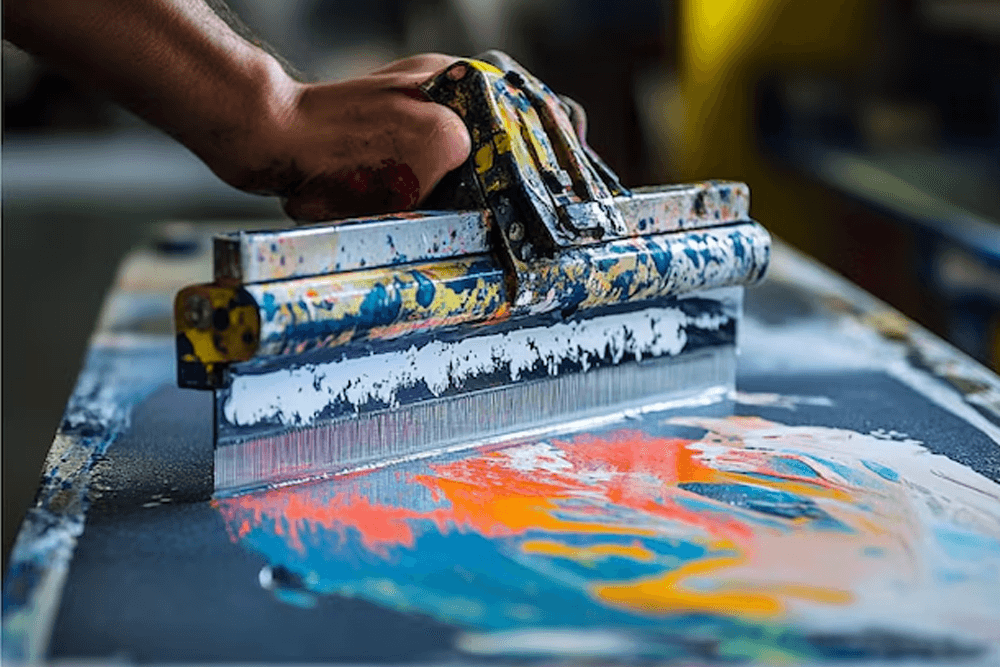
Screen printing involves pushing ink through a stencil on a mesh screen. It is best for large orders and vibrant designs but less good when small, intricate details are required. Screen printing is cost-effective for bulk orders because the screen can be used over and over, but that means it's not always effective for one-offs or short runs, as the screen itself has production costs.
DTG (direct-to-garment) printing directly applies designs onto fabric using a specialized printer, making it perfect for small orders, single prints, and detailed designs. While the equipment can be expensive, outsourcing the printing can be a cost-effective solution. Heat transfer printing uses heat to transfer a vinyl design onto fabric. The heat can come from a professional machine or even a regular domestic iron. It's great for customisation and small runs and is easy to use, but it may not be as durable as screen printing.
Speciality techniques
Metallic inks can add shimmer and shine to your designs, making them great for highlights and accents that give your artwork a standout quality. Foil printing involves using adhesive and foil to create shiny designs, perfect for fashion-forward looks and adding a touch of glamour.
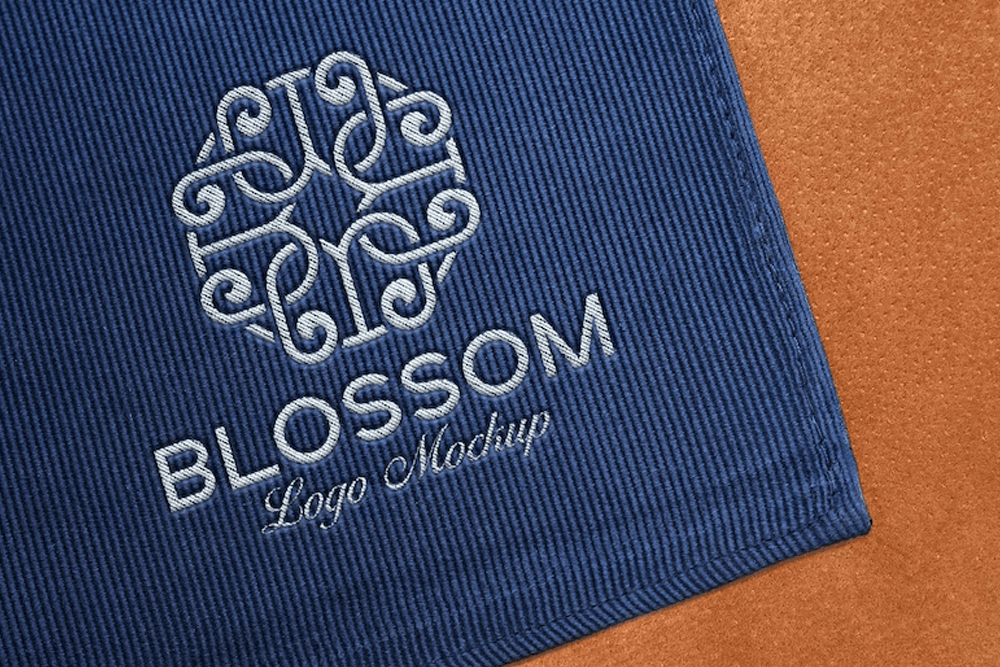
Embroidery offers exceptional durability by stitching designs directly onto fabric using fast-coloured cotton, ensuring minimal fading. It's perfect for logos, name badges, and intricate designs.
selecting the right t-shirt fabric
Your design is only as good as the fabric it's printed on. Cotton is a soft, breathable, and versatile fabric and is a go-to choice for most t-shirt printing jobs. Polyester is known for its durability and wrinkle resistance, making it excellent for athletic wear. However, combining the benefits of multiple fibres can be achieved with blends of cotton, polyester and rayon. It offers a balanced performance in terms of comfort and durability. Match your fabric to your printing technique. The fabric's properties, like stretch, weight and texture, will affect how your design appears and feels. For instance, water-based inks work best on lighter fabrics, whereas plastisol inks are versatile across different types.
practical steps to bring your design to life
It's time to turn your vision into a reality. Here's how to go from a computer screen to a wearable garment.
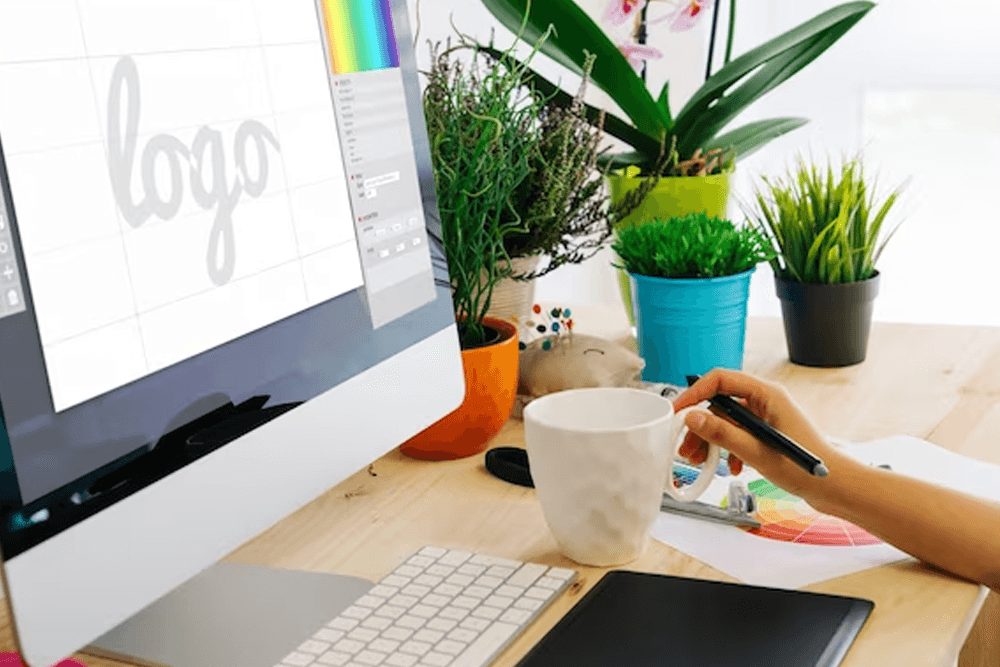
Preparing your design
Ensure your design has the proper resolution and size. For screen printing, you'll need to prepare colour separation, which you should be able to do with your software package. Vectors are better than bitmap images, and all printing companies will be able to handle them. Accurate preparation avoids costly errors during printing.
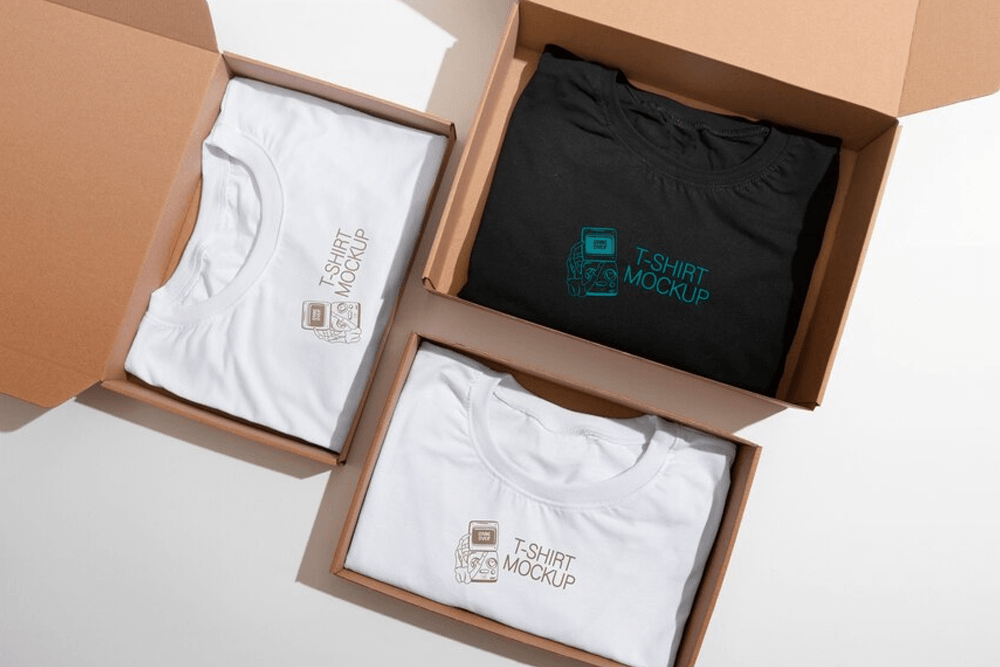
Mockups and samples
Create digital mockups to visualise how your design will look on the t-shirt. Order a small batch of samples to see the real deal before committing to larger production runs.

Working with printers
Communicate your design and requirements clearly with your printers. Understand the processes - including order volumes, costs, limitations, delivery policies, returns and timelines - to ensure a smooth production phase.
tips for marketing and selling your t-shirts
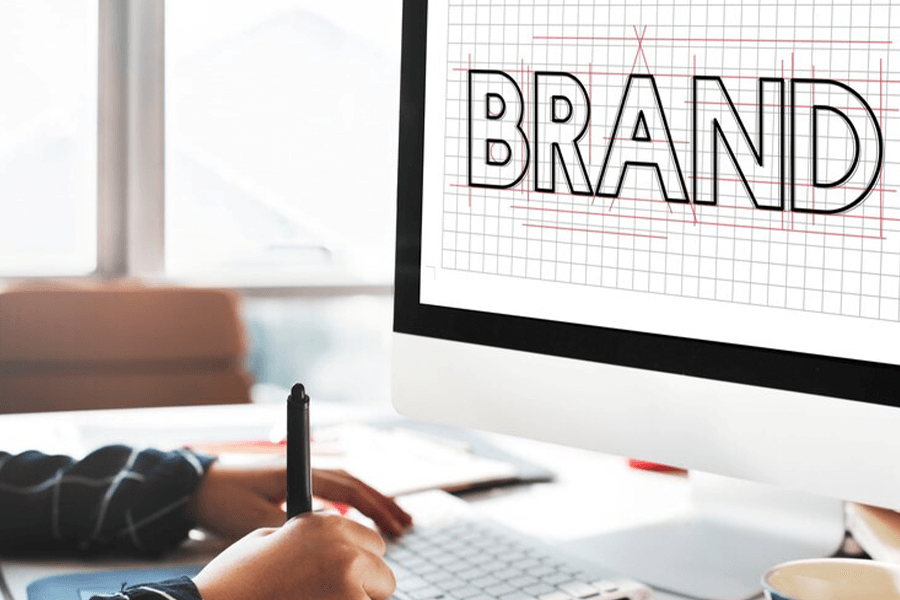
Once your designs are ready, it's time to think about marketing and sales. A cohesive brand identity can set you apart. Develop a consistent look and feel for your brand across all platforms. Use social media and online platforms to reach your audience effectively. Setting the right price for your product is key - it's all about supply and demand. Research the market to find a competitive price point while ensuring profitability. Don't forget to factor in your time and expertise when pricing - not just material cost. Explore different sales channels, from online stores to pop-up shops.
Need advice on fabrics, inks or anything else related to printing t-shirts? Drop us a line - we're happy to help.