
How to style long sleeve shirts in 2026
The long-sleeve shirt has come a long way from being just something you’d chuck on for work or nipping to the shops. And 2026 looks like bringing fresh takes on classic styles and entirely new fabrics, so there’s never been a better time to get to know the long sleeve shirt a little better.
Before we go into styling, it’s worth looking at what’s actually out there. The classic cotton Oxford remains a staple choice, but it’s now joined by performance fabrics that wick moisture, bamboo blends that feel like silk and some smart hybrid designs that can be both formal and casual, depending on the context and what they’re worn with. Linen remains the perfect choice for warmer months, whilst brushed cotton and flannel are more insulating options for when the temperature drops.
Cuts have evolved, too. Yes, you’ve got your traditional regular fits, but there are now athletic cuts for broader shoulders, slim fits that create a tailored silhouette, and relaxed fits for an effortlessly cool vibe. The key is knowing which works for your body type and the impression you're trying to make. For everyday wear, the skill is in being put-together without looking like you’re trying too hard. A well-fitted Oxford, with the sleeves rolled just below the elbow, always looks cool, especially when paired with dark jeans or chinos. Leave it untucked if the length hits the zip, but if it’s much longer, it’s designed to be tucked into pants, so don’t leave it hanging. If it’s just a shade below the zip, you might get away with a casual front tuck, but check your mirror with a self-critical eye.
Layering adds interest to any clothing, and shirts are no exception. Try an open shirt over a T-shirt for a relaxed vibe – the tee can be plain, but a printed image or band tee can break up the look a little, especially if the shirt is one colour. The golden rule is to choose complementary colours rather than matching exactly; a light blue shirt over a white tee, or a checked flannel shirt over grey, always works. Pattern mixing can look great too – a striped shirt under a checked overshirt can look brilliant if you keep the colour palette cohesive and subtle.

Fresh takes on workwear
The workplace isn’t what it used to be pre-2020, and dress codes have become decidedly more relaxed – and that isn’t going to change in 2026. Of course, it all comes down to the company’s dress code, so for more traditional office environments, a regular white or light blue shirt tucked into tailored trousers remains the way to go.
For hybrid working and more casual offices, try a long sleeve polo shirt – it’s got the collar and structure of formal wear but tones down the formality a notch or two. Alternatively, a well-cut Henley achieves that smart-casual look. Pairing with dark jeans and good trainers is usually fine for less traditional offices, but you can always dress it up with tailored trousers when you’re in an important meeting.
Travel in style
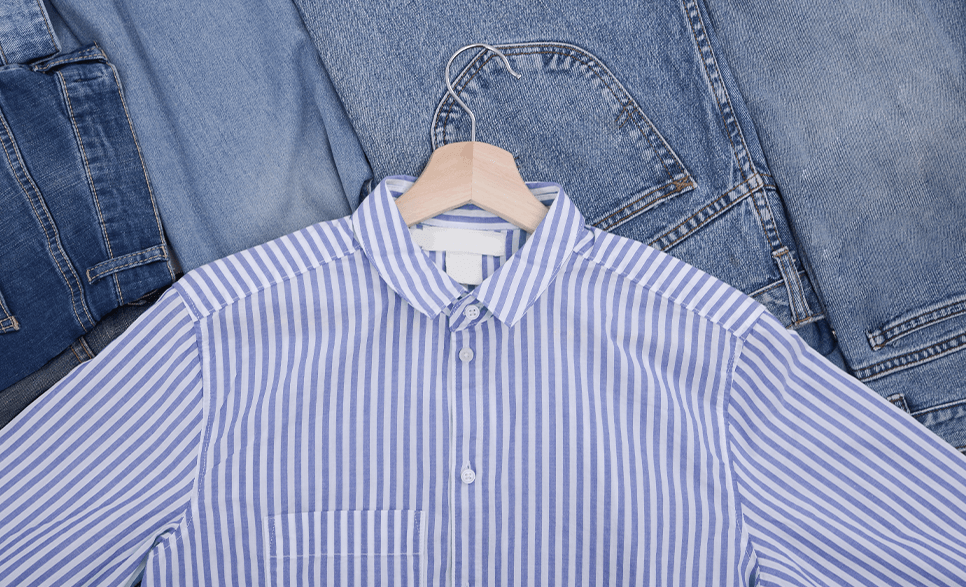
Long-sleeve shirts tick all the boxes for travel. They protect you from air conditioning on planes, shield you from the sun at hot destinations, and can be dressed up or down depending on why you’re travelling. Choose wrinkle-resistant fabrics (many brands now offer shirts that genuinely don’t crease) in versatile colours that mix and match with everything else in your case.
A lightweight linen or linen-blend shirt works brilliantly in warm climates – wear it open over a vest at the beach, or buttoned up with shorts when you’re exploring cities. For cooler destinations, a brushed cotton shirt can serve as a light jacket over a T-shirt, taking up hardly any luggage space.
The semi-formal long-sleeve shirt
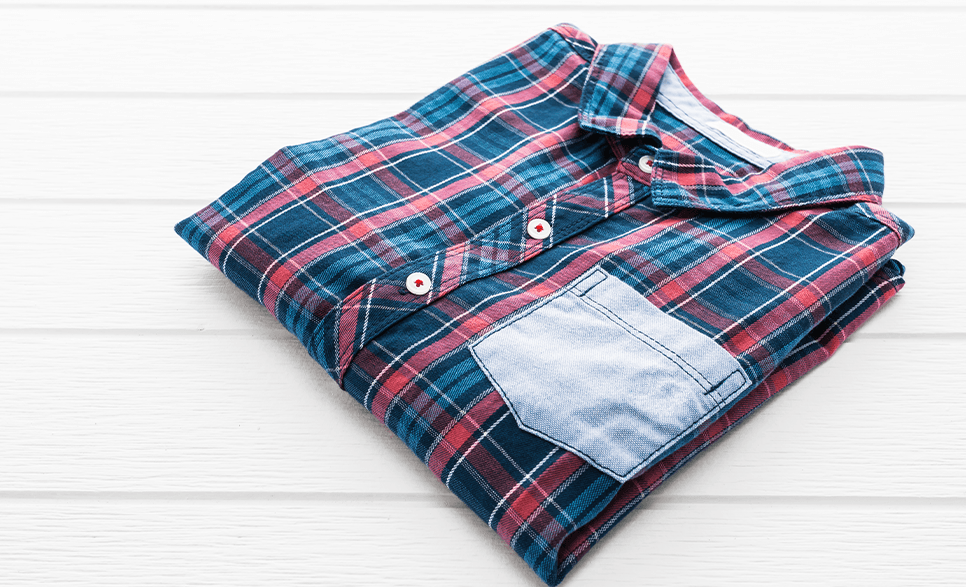
Some occasions can be absolute nightmares to dress for, and “smart casual” or “semi-formal” can really get you scratching your head. Stick on a quality shirt in an interesting texture or subtle pattern, pair it with tailored trousers and proper shoes, and you’ve got the look perfectly – especially if you skip the tie. The idea is to make it look like you’ve put effort into the occasion and respect it, while also maintaining your natural style and approachability.
The grandad collar shirt fits this look incredibly well, too. It’s inherently more relaxed than a traditional collar but still looks intentional and sophisticated. You can wear it under a blazer for dinner parties or with dark jeans for date night. Just ensure the fit is perfect – if it’s too loose, you can look like you’re ready for bed, and that’s probably not the look you’re going for.

Finishing touches
Whatever the occasion, getting the details right completes the look. Sleeve rolling is an art form. Aim for just below the elbow – flip the cuff, fold to the elbow, then fold once more. It gives a clean look that stays where you put it. Consider your layering carefully, too. A well-fitted white tee works under most shirts, but for thinner fabrics, match your undergarment to your skin tone. Trust us – this works.
Don’t forget to accessorise. A decent watch becomes more visible with rolled sleeves, and a simple chain necklace adds interest to an open collar. For colder months, layer a fine knit jumper over your shirt, leaving the collar and cuffs visible for that preppy look that never goes out of style.
The long-sleeve shirt continues to evolve. Sustainable fabrics are becoming standard rather than special, fits are becoming available for a wider range of body shapes, and shirts can be worn in both formal and casual settings. The key isn’t following every trend, but working out how these versatile garments fit into your lifestyle.
It’s amazing how something as timeless and formal as the simple long-sleeved shirt can be changed into an informal staple with just a bit of rolling, layering, accessorising and leaving the tie on its hanger. It’s worth experimenting with looks, but once you’ve learned how to work that shirt, you’ll find it a much more versatile and interesting item of clothing.