

How to stop graphic t-shirt designs from cracking
Graphic t-shirts have long been a popular fashion staple for individuals and businesses alike. You can create any design you can think of and then have it placed on a piece of clothing that can be worn as a statement piece for some time to come. However, one common issue that arises with graphic t-shirts is that the design will often start to crack. This can be a frustrating experience for anyone who's put time and effort into printing a collection of t-shirts, not to mention a waste of money and resources. Luckily, there are several tips and techniques that can help prevent graphic t-shirt designs from cracking.



CHOOSE HIGH-QUALITY T-SHIRTS
The first step to preventing the cracking of graphic t-shirt designs is to make sure that you choose high-quality t-shirts as a base. After all, the design will only last for as long as the base fabric that it's printed on. Look for t-shirts which are made 100% cotton (or a cotton blended with an eco-friendly polyester) that has a high thread count, ideally a flat fabric without any ridges or bumps. These types of t-shirts are more durable and will hold up better over time, and getting a high thread count will ensure that it doesn't stretch too much, which can lead to the design warping and ageing prematurely.
Cheaper t-shirts made from low-quality materials are more likely to crack because they simply won't last as long as high-quality items. The faster a t-shirt starts to stretch, the faster the design is likely to crack - investing in high-quality t-shirts should be at the top of your priority list when it comes to creating long-lasting graphic t-shirts.
CHOOSE HIGH-QUALITY INK
Next, the type of ink used to print the graphic design on the t-shirt will also impact how well it holds up over time. Water-based inks can be a good choice because they're generally less likely to crack; however, if you're looking for an option that'll help you achieve a bolder look, then plastisol inks could be a better option.
PRINTING METHOD
When it comes to t-shirt printing techniques, there are a whole range of different options available, each with its own advantages and disadvantages. However, if your goal is avoiding the cracking of those graphic designs, two techniques are commonly considered the best screen printing and direct-to-garment (DTG) printing.
sCREEN PRINTING - Screen printing is a traditional technique that involves using a mesh stencil to apply ink to the t-shirt. The ink is pressed through the stencil onto the fabric, thereby placing the design on the t-shirt. When done well screen printing is well known for producing long-lasting, vibrant designs that resist cracking, making it a popular choice for high-quality t-shirt printing.
DTG PRINTING - DTG printing, on the other hand, is a more modern technique that involves printing the design directly onto the fabric using a digital printer with special inkjets. This technique allows for highly detailed designs with a wide range of colours and produces a soft, breathable print that resists cracking or peeling. While it produces a thinner end result than screen printing does, it tends to stretch with the fabric better; as a result, making it a more suitable option for t-shirts that are likely to be worn during sporting activities or other strenuous activities.
WHICH SHOULD YOU CHOOSE?
Both screen printing and DTG printing can produce high-quality designs that resist cracking in the long run. However, screen printing is generally more cost effective for larger print runs, while DTG printing is more suitable for smaller runs or individual custom t-shirts. Ultimately, the choice between screen printing and DTG printing depends on the precise needs of your project, including the design, quantity, and budget. Consulting with a professional t-shirt printing company can be an important step if you really want to determine the best technique for your needs.
PROPER PRODUCT CARE
While you can create the best t-shirt ever made, it also needs to be looked after properly to avoid cracking. Let's look at some important product care tips for t-shirts with graphic designs on them.
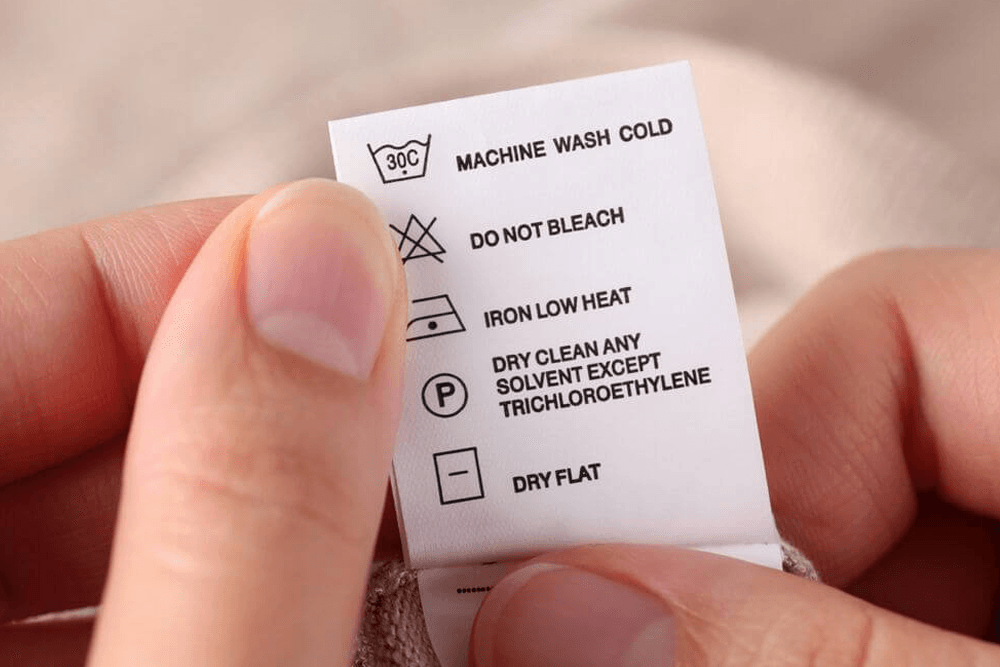
Follow washing instructions
One of the biggest culprits of cracking graphic t-shirt designs is improper washing. Always follow the washing instructions on the tag of the t-shirt - in general, it's best to wash t-shirts in cold water and to avoid using bleach or harsh detergents unless absolutely necessary.
When possible, turn the t-shirt inside out before washing to protect the design from rubbing against the drum of the machine and other clothes in the wash. Avoid using high heat settings on your dryer, as this can cause the design to crack more quickly; instead, hang your t-shirts to dry or use a low heat setting.

Avoid ironing the design
Ironing graphic t-shirts can also cause the design to crack more quickly. If you absolutely do need to iron your t-shirt, make sure that you turn it inside out and use a low heat setting with plenty of steam. It's best to avoid ironing the design altogether, if possible, as this can damage the ink.
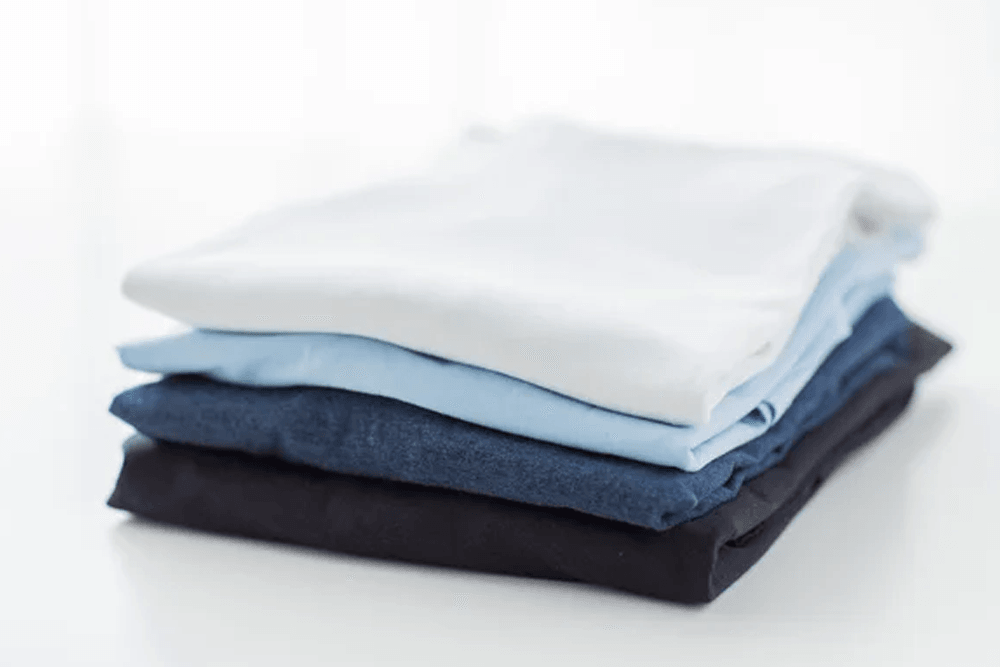
Store your t-shirts properly
Proper storage of your graphic t-shirts can help prevent the cracking of the design. If your t-shirt has a design over the shoulders, avoid hanging your t-shirts on hangers with thin metal hooks, as this can cause the fabric to stretch and distort the design.
Instead, fold your t-shirts neatly and store them in a drawer or on a shelf in a cool, dry environment. This will help preserve the shape of the t-shirt and prevent the design from cracking while also meaning that you need to wash it less regularly.

Avoid excessive wear and tear
Finally, be careful with how often you wear your graphic t-shirts and the types of activities you participate in while wearing them. Obviously, the rougher you are with a t-shirt, the more likely the design is to crack, and the quicker it'll wear out. If you really want it to last, try to reserve the t-shirts for more casual, low-key activities.
Preventing the cracking of graphic t-shirt designs requires a combination of choosing high-quality materials, using a durable printing technique, and then ensuring that the t-shirt is properly cared for. By taking these simple steps, you can help ensure that the t-shirts you get printed will last for years to come.