

How to soften itchy fabrics - A guide for beginners
Wearing itchy clothes out and about is genuinely one of the most uncomfortable experiences you can have. You might not have noticed how uncomfortable they were at home, but then, sitting down to start the day at work, you suddenly find that the clothes you're wearing are irritating your skin in an unbearable manner. While some fabrics are just naturally itchy, in many cases, you can soften fabrics using a range of different techniques. Read on for a beginner's guide on the subject - hopefully, you might just be able to salvage your favourite garments.
why are some fabrics itchy?
First, let's try to understand why certain fabrics can be quite itchy in the first place. There are two main varieties of itchy fabric - wool and polyester. We won't mention cotton as much here, as when it's made and treated well, it tends to be one of the softest materials out there. Wool, polyester and indeed most fabrics tend to be itchy when the fibres are particularly stiff and strong. These fibre then feel itchy because they don't bend up against your skin. Soft fabrics like cotton and silk, tend to have fabrics that bend more easily and won't poke into your skin. The result is that they're a lot more pleasant to wear and less itchy. Still, even with itchier fabrics, there' often a lot that you can do to make them feel softer against your skin.
fabric softeners
One of the best ways of softening itchy fabrics is to use - you guessed it - fabric softener. There are a whole bunch of different options, a few of which we go through below. We recommend that if you're using any of these techniques for the first time, you try them on an item of clothing that isn't particularly special to you. Some of these techniques might not work well on all fabrics, and we wouldn't want you to inadvertently damage a garment that had sentimental value.

Commercial liquid softeners
There are a number of commercial, ready-made fabric softeners. One of the most common (and some say the most effective) is the liquid variety. Many find that it's both effective at removing smells and softening the fibres in a fabric, making it more comfortable to wear. On the downside, you need to use these softeners every time you wear the garment, and for those with sensitive skin, you can often find that the oftener is irritating itself.
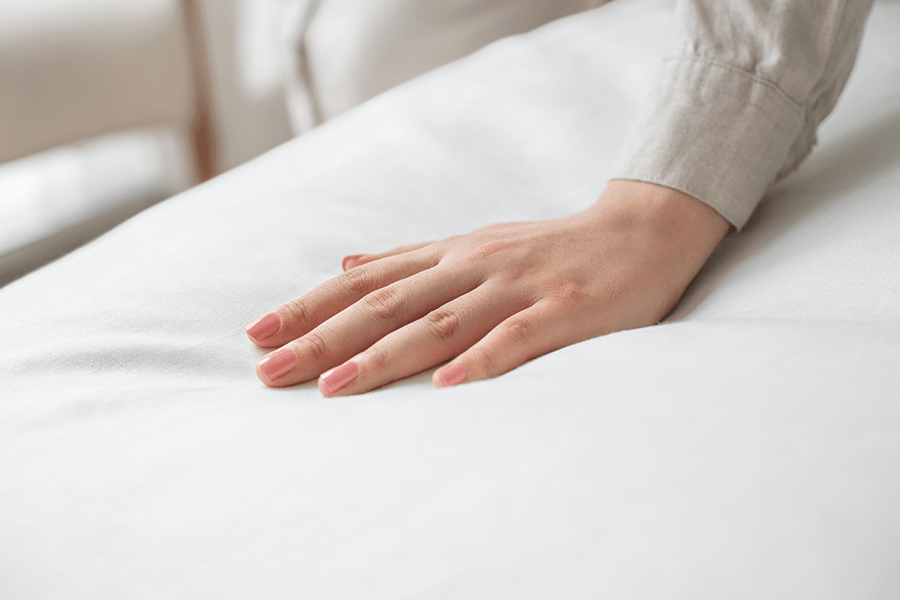
Dryer sheets
Dryer sheets are another popular fabric softening option. You put them in with your washing in a tumble dryer, softening the fabric and giving it a lovely smell. Interestingly, many of these sheets work by neutralising buildups of static electricity in clothing. Static charge can make the fibres in garments stand on end, making them more itchy to wear.
The downside of dryer sheets is that you typically need access to a tumble dryer to use them - something that many people in the UK will struggle with regularly. Additionally, some analysts think dryer sheets actually damage your clothes and skin more than they do good. Take all of this with a pinch of salt and see if it works for you.
Cider vinegar
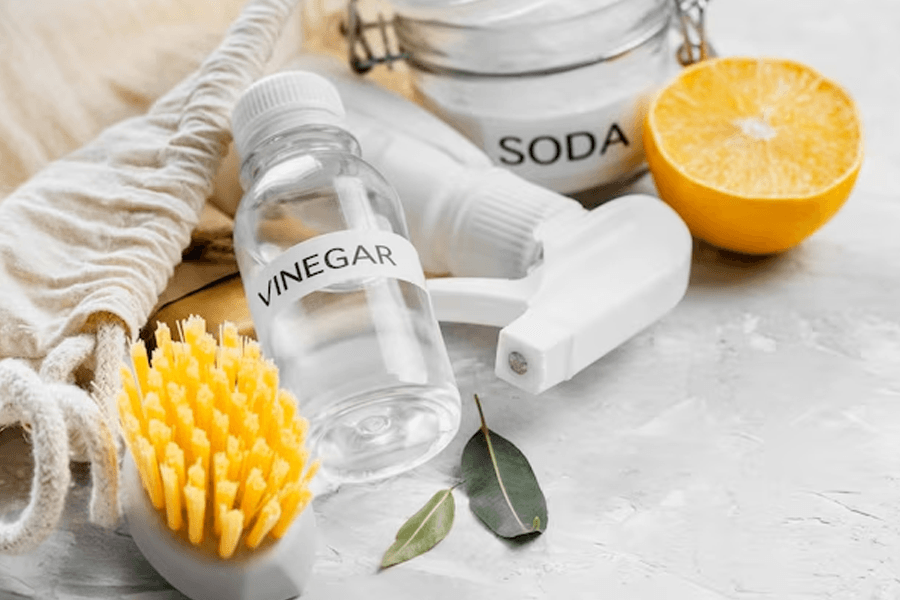
While commercially available solutions are available, many people find that home solutions, such as cider vinegar, are far more effective. Perhaps ironically, one of the reasons that a lot of clothing can become quite itchy is the remaining residue of detergents and other cleaning products.
Soaking your clothes in a solution made up of vinegar and water can help remove any buildup of chemicals while also neutralising any deeply embedded odours. Amazingly, it can also work to prevent static in a more natural manner than dryer sheets.

Salt
Another great option to soften itchy fabrics is to soak them in a salt solution. With natural fabrics, salt can have a great softening effect, while also getting rid of discolouration. It's important to note that some people don't have positive results with these methods - you need to make sure that you're not using salt with mineral impurities, such as pink Himalayan salts, that could end up actually dying your clothes another colour.
drying techniques
How you dry polyester fabrics can have an impact on how soft they feel against your skin. In general, if you're using a tumble dryer, you want to ensure you dry them on a low heat setting. If you use a high heat setting, it can damage the fabric and cause the fibres to stiffen up in the process, becoming itchier and less comfortable to wear. If possible, it's generally best to air-dry your clothes. Not only will this make them less itchy, but it will also extend the life of the fabric, allowing you to wear the garment for longer.
avoid irritating chemicals
If you find that you're having a particularly bad reaction to certain fabrics, it's important to realise that it might not be the fabric itself that's causing the reaction - it could also be the chemical that you're using to clean your clothes. Some cleaning products contain quite harsh chemicals. If there's any trace of these chemicals left on your clothes after they've been washed and dried, people with sensitive skin can often experience allergic reactions. If you suspect this might be the case, a more gentle cleaning product with more natural ingredients is definitely worth trying. There's obviously a lot that you can do to soften your fabrics and make them a lot less itchy. It's important to consider different solutions and see which works best for you. While the fabric might irritate your skin, it could be the chemicals in the cleaning products you use. You'll likely need to try to eliminate a range of different factors, so you can get down to what's really making your clothes feel so uncomfortable.