

How to Choose the Right Workwear by Profession
Selecting the right workwear for your team is all about balancing practicality, professional appearance, and budget, and occasionally regulatory compliance, too. But get the right clothing, and you can improve staff comfort and even productivity, all the while projecting the image your business desires. However, different professions require different approaches to workwear, and understanding these requirements helps you make better-informed purchasing decisions that benefit both your business and your employees.

catering
Kitchens present challenges that make specialist workwear essential. High temperatures, liquid splashes, hot oil and open flames create hazards that appropriate clothing must address. Look for breathable fabrics that manage heat without compromising protection. Cotton-rich blends offer good temperature regulation while maintaining durability through many laundry cycles.
Chef jackets with double-breasted designs give protection from spills and splashes. Trousers should feature elasticated or drawstring waists for comfort during long shifts, and patterns like checks and stripes can disguise stains for longer.

Hospitality
Front-of-house hospitality staff are your business’s ambassadors, making appearance paramount. That said, comfort is essential for those working long shifts on their feet. The key is finding workwear that looks polished and professional while withstanding the physical demands of service.
For restaurants and hotels, tailored, practical designs work best. That basically means shirts and blouses that maintain their shape, trousers or skirts that allow real movement, and aprons that combine functionality and style. Consider your business’s vibe. Fine dining requires more formal attire than casual cafes, but all hospitality workwear must launder well and resist common stains.

Beauty and healthcare
Healthcare and beauty workwear must meet stringent hygiene standards while being comfortable for staff who spend shifts moving between patients and tasks. Scrubs have become the industry standard for good reason – they’re designed for frequent high-temperature washing, but they also offer unrestricted movement and give clear visual identification of roles through colour coding.
When selecting scrubs, prioritise fabrics that withstand repeated laundering without fading or deterioration, as replacement costs can quickly mount. Multiple pockets are essential for healthcare professionals carrying essential items throughout shifts. Tunics and trousers should fit properly without being restrictive, as ill-fitting clothing can cause discomfort and even hygiene issues. For patient-facing roles, smart yet practical options maintain professional appearances.

Construction
Construction workwear should prioritise durability and safety above everything else, as this clothing must protect workers from genuine hazards whilst withstanding punishing weather conditions. Heavy-duty fabrics with reinforced stress points extend garment life, which makes the higher initial cost worthwhile. Multiple tool pockets and hammer loops keep essential equipment accessible, which is always appreciated.
Depending on site requirements, high-visibility elements may be mandatory for safety compliance, so make sure you understand relevant regulations before purchasing. Layering matters in Britain’s climate, so that means base layers, insulating mid-layers and weatherproof outer shells, to wear as required. Steel-toe boots meeting safety standards are non-negotiable, as are hard hats.
Warehousing and logistics
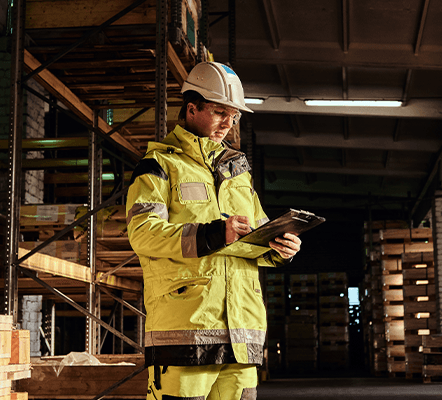
Warehouse and transport work combines physical demands with real hazards, which calls for workwear that balances protection, comfort and practicality. Staff spend shifts lifting, bending, reaching and walking large distances, so garments should allow unrestricted movement without excess fabric that could catch on equipment.
Durable materials will withstand constant friction from boxes, pallets and machinery, while reinforced knees and seat areas extend trouser life. Temperature control presents its own set of challenges. Warehouses often lack climate control, so they can be cold in winter and hot in summer; layering is just as important here as it is outdoors. High-visibility clothing enhances safety in busy environments with forklift trucks and other moving equipment, and is usually mandatory.

Office work
Office workwear is constantly evolving, with many businesses adopting a business casual policy that balances professionalism with comfort. The challenge here lies in setting guidelines that keep appropriate standards, while acknowledging that office workers need clothing suitable for days at desks, in meetings and moving between spaces.
It’s best to keep things simple with smart separates – trousers, skirts, shirts and knitwear that coordinate without requiring full suits. Think about your company culture and client interaction when setting standards; customer-facing roles will demand more formal presentation than back-office positions, for example.

Retail
Retail workwear is all about representing your brand while providing staff with clothing comfortable enough for long shifts serving customers. Branded polo shirts or blouses paired with smart trousers are great for approachable professionalism, where overly formal clothing can be off-putting for customers.
Durability matters, as retail workwear needs to survive constant movement, bending, reaching and interaction, while looking as smart at the end of the shift as it did at the start. Also, ensure you have supplies and spares so staff always have clean options available in case of accidents.

Education
Educational settings need workwear that projects authority whilst remaining practical for active, varied days. Teachers and support staff need clothing that works for classroom and playground duties, as well as for meetings with parents, officials and colleagues. Smart casual approaches usually balance well for this. That means shirts, blouses, knitwear and tailored trousers that look professional without being too formal.
The students' ages matter too. Early years and primary teachers need clothing that allows floor sitting, play participation and encounters with paint, glue and other materials, so choose clothing that will be washed often. Secondary and further education settings usually demand more formal, office-like clothing.
Outdoor pursuits and fitness
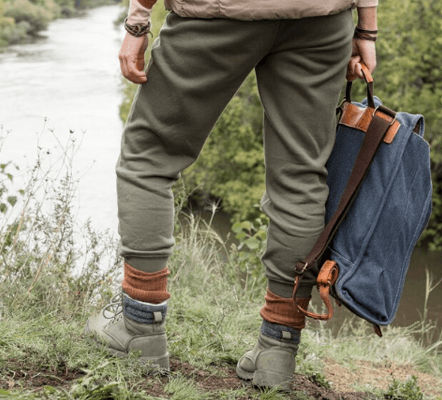
Outdoor activity providers need specialist workwear that performs in challenging, changeable conditions without ever compromising professionalism. Technical fabrics designed for outdoor performance, such as breathable, water-resistant and quick-drying materials, are essential.
Branded outer layers create professional cohesion and help participants identify staff in group settings, while functional designs with lots of pockets are great for carrying tools and safety equipment. Don’t compromise on quality here. Outdoor workwear that can’t cope with adverse conditions can quickly become more than merely inconvenient.
buy it wholesale for consistency and value
Whatever role you’re buying clothing for, sourcing it wholesale from Screen Textiles just makes sense. Of course, you’ll benefit from our fantastic pricing, delivery options and customer service. But you’ll also get the peace of mind from knowing that consistency in sizing, colours and cuts means your team will actually look like a team, not a collection of random workers. It’s hard to overstate how important that is for your branding.